
In today’s fast paced and academically driven environment, many parents in Singapore are looking for ways to support their child’s overall development beyond textbooks and exams. While subjects like math and science are important, creative activities such as art play an equally valuable role in shaping a child’s growth. Art encourages imagination, builds confidence, and helps children express themselves in ways that words sometimes cannot.
As education in Singapore continues to evolve, there is a growing awareness of the importance of balancing academics with creativity. Encouraging children to explore artistic activities from a young age can have long term benefits that go beyond the classroom.
Building Creativity and Imagination
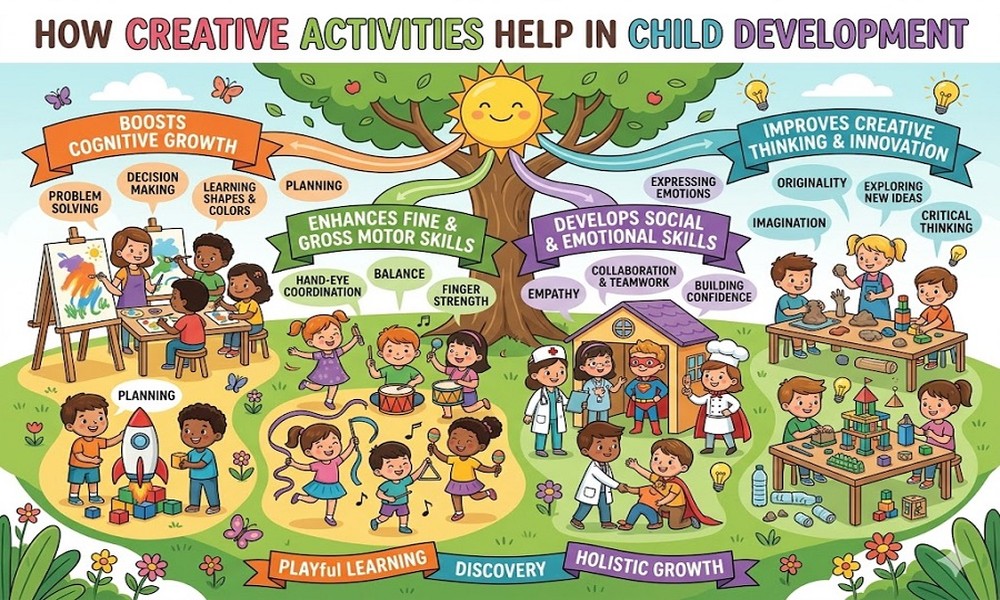
One of the biggest advantages of engaging in art is the development of creativity. When children are given the freedom to draw, paint, or create, they begin to think outside the box. This kind of thinking is not only useful in artistic pursuits but also in problem solving and innovation later in life.
Creative activities allow children to explore ideas without fear of making mistakes. This helps them become more confident in expressing their thoughts and experimenting with new concepts.
Improving Fine Motor Skills
Art activities often involve using hands in precise and controlled ways. Holding a brush, drawing with a pencil, or shaping clay all contribute to the development of fine motor skills. These skills are essential for everyday tasks such as writing, typing, and handling objects.
For younger children in Singapore, especially those in early learning stages, engaging in creative activities can significantly support their physical development alongside cognitive growth.
Enhancing Focus and Patience
Creating art requires concentration and attention to detail. Whether a child is working on a drawing or completing a painting, they learn to stay focused on a task for a longer period of time.
This ability to concentrate can carry over into academic work, helping children perform better in school. In a structured learning environment, such as kids art classes in Singapore, children are guided through step by step processes that encourage patience and discipline.
Studios like Little Artists Art Studio offer structured programmes designed to nurture creativity while building focus and confidence in young learners. Established for decades, such studios provide guidance from experienced educators and support children across different age groups.
Encouraging Emotional Expression
Children do not always have the vocabulary to express their emotions clearly. Art provides an alternative outlet where they can communicate feelings through colours, shapes, and forms.
This is especially important in a busy urban environment like Singapore, where children may experience academic pressure or structured routines. Creative expression helps them relax and process emotions in a healthy way.
Developing Problem Solving Skills
Art is not just about creativity. It also involves decision making and problem solving. Choosing colours, planning a composition, or figuring out how to bring an idea to life requires thinking and planning.
Through these processes, children learn to make decisions independently and adapt when things do not go as planned. These skills are valuable in both academic and real world situations.
Social Interaction and Collaboration
Participating in group art activities allows children to interact with others, share ideas, and learn from their peers. This helps improve communication skills and builds confidence in social settings.
In Singapore, where children come from diverse cultural backgrounds, art classes also provide an opportunity to appreciate different perspectives and styles. Collaborative learning environments encourage teamwork and mutual respect.
Exposure to Different Art Forms
Modern art education goes beyond basic drawing and colouring. Children are introduced to a variety of techniques such as painting, sculpture, and mixed media. This exposure helps them discover their interests and develop unique artistic styles.
Many programmes in Singapore cater to a wide age range, starting from as young as 2.5 years old and continuing through teenage years, allowing children to grow and refine their skills over time.
Supporting Academic and Personal Growth
While art may seem separate from academics, it actually complements learning in many ways. Creative thinking, improved focus, and better problem solving skills can enhance overall academic performance.
More importantly, art helps children develop confidence and a sense of identity. When children see their ideas come to life, it boosts self esteem and encourages them to take pride in their work.
Conclusion
Creative activities play a vital role in a child’s development, offering benefits that extend far beyond artistic skills. From improving motor abilities to enhancing emotional expression and problem solving, art supports both personal and academic growth.
For parents in Singapore, incorporating creative learning into a child’s routine can provide a well rounded development experience. By encouraging children to explore their creativity, you are not only helping them build skills but also nurturing their confidence and individuality for the future.

Comments are closed.