Author

Ann

Browsing

Why this topic matters for SBR candidates

Pillar Two will change how groups talk about tax in 2026 reports. The rules seek a global minimum tax rate of 15 percent. Safe harbours aim to cut complexity in the first years and reduce duplicate work where domestic rules already collect a top up. That is why side by side safe harbours get attention. They sit alongside core calculations and can simplify compliance. For SBR, this becomes a current issues theme. You may need to explain what the board should disclose, how to present the effects, and how to keep the story consistent with the financial statements. If you want a calm place to start, the ACCA exam success guide gives structure without noise.

Pillar Two in one page

  • Aim
    Ensure large multinationals pay at least a 15 percent effective tax rate in each jurisdiction.
  • Scope
    Big groups pass a turnover threshold. The calculation is jurisdiction by jurisdiction. A top up tax applies where the effective rate is below 15 percent.
  • Mechanics
    Start from financial accounts. Apply GloBE rules to compute a jurisdictional effective rate. If it falls short, a top up applies.
  • Domestic interaction
    Some countries adopt a domestic top up tax. This can reduce or remove the amount that needs to be collected by other rules.
  • Safe harbours
    Transitional and simplified routes allow lighter work where risk is low or where local rules already address the shortfall. Side by side safe harbours are designed to avoid duplicate burden and focus effort where it matters.

You do not need to memorise every step. In SBR, you need to explain the purpose in plain English and tie the story to the numbers the group reports.

What a side by side safe harbour is trying to achieve

The idea is simple. If a domestic top up tax already collects the gap to 15 percent on a Pillar Two basis, the global rules should not force a second full calculation for the same period and the same profits. A side by side approach lets a group rely on the domestic outcome where quality and consistency tests are met. That reduces duplication and helps management focus on risk areas. For reporting, the effect is cleaner language in the narrative and fewer complex reconciliations in early years.

In an exam, describe the purpose first. Then state the conditions at a high level. Finally, apply to the case in front of you. That sequence earns professional marks.

How this affects your 2026 reporting narrative

You will see questions that ask you to advise a board on what to say about Pillar Two. Keep the answer tight and practical.

  • Explain the position at group level
    The group operates in many countries. Pillar Two applies from this year. The group has assessed exposure by jurisdiction.
  • Describe the use of safe harbours
    Where a domestic top up tax applies and meets quality tests, the group expects to use a side by side safe harbour. This reduces duplication while achieving the policy aim.
  • Set out the impact on the reported numbers
    If a top up is expected, say so. If it is not possible to estimate with precision, give a clear range or a qualitative statement. Tie this to cash flows and timing.
  • Link to control and governance
    Identify data owners, review steps, and board oversight. State how the group plans to refine estimates as rules settle.

Short paragraphs in plain English will do the job. Avoid long lectures on policy.

Where this meets IAS 12 and financial statement language

SBR expects you to connect the story to the numbers. Pillar Two interacts with IAS 12 income taxes in a specific way.

  • Recognition exception for deferred tax
    Groups do not recognise deferred tax assets or liabilities for top up taxes under the global minimum rules. This keeps deferred tax from being distorted by the new regime.
  • Disclosure
    When legislation is enacted or substantively enacted, groups disclose exposure to top up tax for the period, if known or reasonably estimable. Where estimates are not possible, say that clearly and explain why.
  • Effective tax rate
    Pillar Two can affect the total tax expense. The narrative should reconcile the story to the rate drivers in the year.

Keep this at the right depth. In most cases, one paragraph on the deferred tax exception and one on disclosure is enough.

A clear frame to answer most SBR questions on this topic

Use the issue – rule – apply – conclude structure.

  • Issue
    The board must explain the impact of Pillar Two and the plan to use side by side safe harbours in the 2026 report.
  • Rule
    Pillar Two imposes a 15 percent minimum by jurisdiction. Domestic top up taxes can reduce global top up. Side by side safe harbours aim to prevent duplicate work and double collection. IAS 12 sets a recognition exception for deferred taxes on these top ups and asks for exposure disclosures.
  • Apply
    Identify jurisdictions with low rates or incentives. State where a domestic top up exists and how reliance on a side by side route will work. Quantify or describe exposure. Set out governance.
  • Conclude
    Commit to clear disclosures that are connected to the financial statements, fair, and not misleading. Confirm plans to update estimates as rules settle.

This frame keeps your writing focused and earns professional marks.

Example scenario and answer outline

Scenario
A UK listed group operates in twelve jurisdictions. Two have low statutory rates and significant incentives. Both have enacted domestic top up taxes for 2026. The board wants to explain Pillar Two and avoid confusing users with duplicate calculations.

Applied outline

  • The group will assess exposure jurisdiction by jurisdiction.
  • Where domestic top up taxes cover the shortfall to 15 percent on a consistent basis, the group expects to rely on side by side safe harbours.
  • Early estimates indicate a modest top up in one jurisdiction and no top up in the other due to incentive design and local rules.
  • There is no deferred tax recognised for these amounts.
  • The report will disclose the exposure, the reliance on safe harbours, and governance arrangements to improve data quality through 2026.

Write this in two or three short paragraphs. Keep it simple.

Practical planning for finance teams in 2026

You may be asked to outline steps a finance director should take this year. Focus on actions with visible outcomes.

  • Map jurisdictions and data owners
    Create a clear list of countries, local contacts, and systems. Identify which entities fall into domestic top up rules.
  • Check safe harbour eligibility
    Confirm the conditions to rely on side by side treatment. Build a checklist and log evidence.
  • Run dry calculations for high risk locations
    Even with a safe harbour, test the numbers. This prevents surprises when auditors ask for support.
  • Draft narrative language early
    Prepare a plain English explanation that the audit committee can review in the first half of the year.
  • Set a calendar
    Build monthly or quarterly checkpoints. Make one person responsible for each jurisdiction.

This list is exam friendly. It reads like practical advice and will score well.

Linking to other SBR topics without losing focus

Current issues questions invite you to show judgement across the syllabus. Touch other standards only where they add value.

  • Impairment and provisions
    If the tax change reduces cash flows in a jurisdiction, note the need to consider impairment triggers or onerous contracts. One sentence is enough.
  • Presentation and disclosure
    Explain where the top up sits in the tax expense and how the effective rate bridge will reflect it. Keep it tight.
  • Ethics and professional marks
    Emphasise fair, clear, and not misleading communication. No over claims. No selective metrics that hide the effect.

This is how you integrate without wasting time.

A lean one page note you can revise fast

Create a single page for Pillar Two safe harbours. Use your own words.

  • Aim
    15 percent minimum per jurisdiction.
  • Side by side safe harbour
    When domestic top up taxes collect the shortfall, rely on domestic outcomes where quality tests are met.
  • IAS 12
    No deferred tax for top ups. Disclose exposure when rules are enacted or substantively enacted and estimates are known or can be described.
  • Narrative
    Explain scope, approach, expected impact, and governance. Tie to ETR and cash flows.
  • Exam phrase bank
    “The group expects to rely on side by side safe harbours where domestic top up taxes collect the gap to 15 percent.”
    “No deferred tax is recognised for top up taxes under the global minimum regime.”
    “Exposure is disclosed with a clear basis and linkage to the effective tax rate.”

Read this page out loud. If a sentence feels long, split it.

Two compact drills you can do this week

Drill 1 – 12 minutes
Write eight lines for a board paper explaining why relying on a side by side safe harbour does not weaken compliance and improves focus on real risk.

Drill 2 – 18 minutes
Draft a short disclosure for the 2026 annual report. Include the approach to Pillar Two, use of safe harbours, an exposure description, and a note about no deferred tax recognition.

Practise both. Then rewrite the weakest paragraph using the issue – rule – apply – conclude frame.

Mock question idea and model structure

Requirement
Advise the audit committee on disclosure and governance for Pillar Two in 2026, including reliance on side by side safe harbours and any IAS 12 consequences.

Model structure

  • Purpose and policy aim.
  • Group exposure and jurisdiction mapping.
  • When and how the group will rely on safe harbours.
  • Quantification or qualitative ranges.
  • IAS 12 treatment and ETR linkage.
  • Controls, evidence, and oversight.
  • Clear conclusion and next steps.

Keep the tone calm. Use short paragraphs. Finish on time.

Common pitfalls in answers

  • Too much theory
    Long explanations of history that do not help the board.
  • No financial link
    A narrative with no tie to tax expense, ETR, or cash.
  • Ignoring domestic rules
    Advising a full global calculation when a domestic route already solves the problem.
  • Over claiming certainty
    Presenting precise estimates when data quality is still developing. Better to describe ranges and commit to updates.
  • Missing controls
    No mention of who owns the data or how it will be reviewed.

Avoid these traps. Your answer will stand out.

A two week micro plan to get exam ready

Week 1

  • Day 1 – Build your one page note and phrase bank.
  • Day 2 – Drill 1 as above.
  • Day 3 – Write a six line paragraph on the IAS 12 recognition exception and disclosure.
  • Day 4 – Short scenario on two jurisdictions with domestic top ups.
  • Day 5 – Rewrite the weakest paragraph.
  • Day 6 – Light review of effective tax rate bridges.
  • Day 7 – Rest.

Week 2

  • Day 1 – Draft a disclosure for a listed group using a safe harbour.
  • Day 2 – Practise a 20 minute answer with governance, evidence, and oversight.
  • Day 3 – Add one sentence that links the narrative to cash flows.
  • Day 4 – Ask a focused question in class or to a tutor.
  • Day 5 – Sit a 30 minute mixed set that includes a Pillar Two element.
  • Day 6 – Rewrite and tighten.
  • Day 7 – Plan next week.

This routine builds clear, applied writing without long evenings.

Where tuition can help

Some candidates prefer a timetable and regular marking. If you want a steady path with deadlines and debriefs, pick a structured run that includes mocks and scheduled submissions. When you are ready to add formal support, browse the ACCA SBR course options and plug these drills into the weekly cycle.

Apple products are always in great demand. However, there are few models that have even greater demand provided the kind of cool features and specifications it comes with. There are countless number of users for Apple products all across the world and it is known to touch more life that one can imagine. It needs to be understood that iPad and iMac are a huge hit amongst students all across the world. Out of the many models out there, iPad Air 6 M2 happens to be in great demand in the market and it is one of the top-notch models of this line from Apple. It is possible to get iPad Air M2 student price (ipad air m2 ราคานักศึกษา, term in Thai) that would be highly useful for students.

Apple M2 and its stunning features

The Apple M2 model is powered by the Apple M2 chip and it has definitely reached a significant amount of boost when compared to the previous models. For the very first time, it comes in 2 sizes and this includes 11-inch with an actual viewable area is about 10.9 inches and the 13-inch with an actual viewable area is about 12.9 inches. The camera feature is really good and is better positioned for making video calls. The base storge has gone up double the time from the previous model and it starts with 128 GB and it goes up to 256GB, 512GB, 1TB and much more. The display of the model is also really good with a liquid retina display with P3 wide colour and true tone. The 13-inch model turns out to be brighter than the 11-inch model at 600 nits and 500 nits respectively. It is known to support accessories like Apple pencil pro and Apple pencil USB-C. 

Student price

Be it that of iPad or iMac, it is a bit costly which makes it difficult for students to buy the gadgets. They are packed with lots of features and specifications that is perfect for students and to use for educational purpose. It brings down the students’ burden to a great extent. You can get the perfect iPad Air 6 (M2) student price (ไอแพดแอร์ 6 m2 ราคานักศึกษา, term in the Thai) from reputed sources. One of the best and most authentic sources for students to buy iPad Air 6 happens to be iStudiobyspvi.com. It brings with it several years of experience and expertise in this field. The site has got the best user interface and you can readily access all the information you want at one go. 

Students need to make use of the student discount provided by Apple. Since, those studying would be benefited greatly by Apple range of products and that they cannot afford to spend a lot of money on this, they can very well go for the range from the site. To know more about the kind and range of services offered by the site and the discounts it offers students on various product, you can check out the official site. It would definitely enable you to make an informed decision by taking the right guidance from the start.

Understanding the difference between primary and secondary sources is essential for school projects, essays, historical research, and science investigations. Teachers often ask students to use both types of sources, but many learners still feel confused about what each one means. This guide breaks down the difference in a simple, student-friendly way. Many students also organize downloaded source PDFs and research documents using PDFmigo.com.

What Are Primary Sources?

primary source is an original, firsthand record created at the time an event happened or by a person directly involved in the event. It provides raw, unfiltered information.

Examples of Primary Sources

  • Diaries and journals
  • Photographs and videos
  • Letters or emails
  • Interviews and speeches
  • Historical documents (e.g., Constitution, treaties)
  • Scientific data and lab results
  • Artifacts such as clothing, tools, or artwork
  • Original research studies

Example: A diary entry written by a soldier during World War II is a primary source.

What Are Secondary Sources?

secondary source analyzes, interprets, or summarizes primary sources. These sources are created after the event, often by people who were not directly involved.

Examples of Secondary Sources

  • Textbooks
  • Articles analyzing historical events
  • Documentaries
  • Biographies
  • Research reviews
  • Encyclopedia entries

Example: A YouTube video explaining how World War II started is a secondary source.

How to Tell Them Apart

Sometimes it can be tricky to know which is which. Here are quick questions to ask:

  • Was it created during the event or by someone directly involved? → Primary
  • Does it interpret or explain the event after it happened? → Secondary
  • Does it present original data, results, or firsthand evidence? → Primary
  • Does it summarize or discuss information from other sources? → Secondary

Why Both Types of Sources Matter

Using both types of sources helps students:

  • Understand facts (primary)
  • Gain context and explanation (secondary)
  • Analyze information more deeply
  • Create stronger school essays and research projects

How Students Use Primary Sources in Class

Primary sources allow you to study history, science, or literature in the most authentic way. You might:

  • Read letters written by historical figures
  • Analyze old newspaper articles
  • Examine original scientific data
  • Study maps, photos, or documents

How Students Use Secondary Sources

Secondary sources help provide background and context. For example:

  • A textbook explains the causes of the Civil War
  • A biography describes a scientist’s life
  • A research review summarizes many older studies

Organizing Your Research Sources

When gathering digital documents such as PDFs, photos, and research notes, organization is essential. Students often combine their primary-source images, secondary-source summaries, and project notes using tools like Merge PDF to create a clean research packet.

Tips for Using Primary and Secondary Sources Together

  • Start with secondary sources to understand the topic
  • Use primary sources to gather firsthand evidence
  • Compare multiple sources to avoid bias
  • Always cite where your information came from

Staying Organized for Big Research Projects

Large school assignments often require many sources. Keeping them organized can save time and make your writing more accurate. Many students store all source PDFs in one folder and combine their notes and summaries using tools available at PDFmigo.com.

Final Thoughts

Primary and secondary sources each play an important role in learning. Primary sources give you firsthand evidence, while secondary sources help you understand and interpret that evidence. When used together, they make your essays, history projects, and science research much stronger. With practice, identifying the difference becomes quick and easy.

Early childhood is one of the most critical stages in human development, and a nursery school plays a key role in shaping a child’s foundational skills. These early learning environments blend play and education to nurture emotional, social, and cognitive growth. For parents in Singapore, enrolling their children in a nurturing and structured nursery programme helps prepare them for preschool and formal education. Many families today view early enrolment as an investment in a child’s lifelong learning journey, often leading them to seek the best preschool in Singapore to ensure strong developmental support.

Encouraging Social and Emotional Development

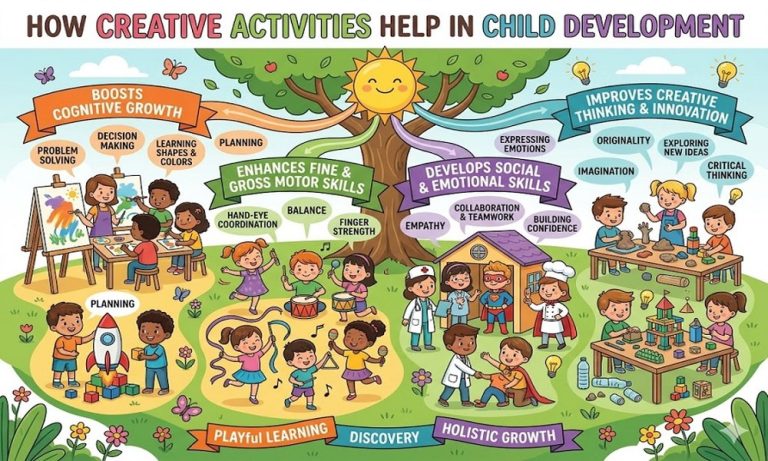
One of the most crucial benefits of a nursery school is how it supports social and emotional growth. At this age, children are learning how to express themselves, manage their emotions, and interact with others. Group activities, such as storytelling, role-playing, and cooperative games, help children build confidence while teaching them empathy and communication.

Nursery teachers also play a vital role in helping children navigate their feelings in a supportive environment. By guiding them through conflicts and encouraging positive communication, educators foster emotional resilience. These early lessons help children develop independence and a sense of belonging, easing their transition to the best preschool in Singapore.

Building Cognitive and Language Skills

The early years are when the brain is most receptive to learning, and a nursery school provides the perfect setting to stimulate curiosity and exploration. Through play-based learning, children are introduced to fundamental concepts like counting, shapes, colours, and patterns. Activities such as puzzles and building blocks encourage logical thinking and spatial awareness, while arts and crafts foster creativity and imagination.

Language development is another key focus during the nursery years. Teachers use songs, phonics, and storytelling to expand children’s vocabulary and comprehension. Exposure to daily conversations in both English and other languages used in Singapore helps children develop bilingual or multilingual communication skills.

Promoting Physical Growth Through Play

Play supports not only emotional and cognitive development but also physical growth. Outdoor playtime, climbing structures, and group sports help improve motor coordination, balance, and strength. Fine motor skills are also refined through activities like drawing, cutting, and threading beads, which contribute to hand-eye coordination and readiness for writing.

These physical activities also help children release energy and learn about body awareness, which enhances focus during classroom lessons. Teachers at established early learning institutions incorporate movement into daily routines to ensure that children enjoy a balanced approach to learning and development.

Instilling Routine and Independence

Routine gives young children a sense of security and order. In a nursery school, daily schedules are structured yet flexible, allowing children to engage in learning while understanding the importance of consistency. Routines such as snack time, clean-up sessions, and guided play teach responsibility and self-management. These habits shape children into more independent learners, preparing them for the expectations of formal schooling.

Learning independence also extends to simple acts like dressing themselves or organising their belongings. As children gain confidence in performing these daily tasks, they develop self-esteem and a positive attitude toward learning. Many parents notice that children who attend nursery adapt more quickly when transitioning to the best preschool in Singapore, as they are already familiar with classroom expectations and social structures.

Preparing for Future Academic Success

The goal of early education is not to rush academic learning but to nurture curiosity and a love for discovery. A nursery school introduces children to foundational literacy and numeracy in a way that feels fun and engaging. This hands-on approach builds confidence in their ability to learn, which is a key predictor of future academic success.

Many parents choose to continue their child’s education at the best preschool in Singapore that aligns with the same teaching philosophy. This seamless transition allows children to expand their knowledge while maintaining a sense of continuity. By developing strong problem-solving and communication skills early on, children are better equipped to handle future challenges with enthusiasm and confidence.

Conclusion

A nursery school serves as the starting point for lifelong learning. It shapes a child’s emotional stability, social confidence, and cognitive readiness, helping them build a strong foundation for preschool and beyond. For families considering the best preschool in Singapore, it’s important to recognise that early education begins with a nurturing nursery experience that transforms play into progress.

Give your child a confident start in learning. Contact Raffles Kidz International to learn where every play session leads to growth, curiosity, and discovery.

What Is Hybrid Learning?

Hybrid learning blends face-to-face teaching with online resources, creating a flexible and inclusive approach. Unlike online-only courses, hybrid programmes combine the structure and interaction of classroom learning with the convenience and adaptability of digital tools.

Why Hybrid Works for Everyone

A key strength of a hybrid school is that it suits a wide range of learners. Some students benefit from the discipline and social interaction of in-person classes, while others enjoy the independence of online study. By offering both, hybrid education ensures no learner is left behind.

Beyond “Special Needs”

There is sometimes a misconception that hybrid learning is only relevant to those with special educational needs. While it does provide excellent support for learners who require tailored approaches, it is not limited to this group. Hybrid learning caters for everyone – from students with additional needs to those balancing careers, family life, or sporting commitments.

Meeting Specialist Requirements

For example, a young athlete might rely on hybrid education to fit study around an intensive training schedule. Likewise, a professional learning new skills may use hybrid courses to upskill without stepping away from work. Hybrid adapts to these specialist needs without compromise.

Flexibility Without Compromise

Traditional classroom learning can be restrictive, and online learning can feel isolating. Hybrid combines the best of both: the connection of face-to-face teaching with the freedom of online platforms. This flexibility improves accessibility, engagement, and results across all subject areas.

A Personalised Learning Experience

Every learner’s journey is different. Hybrid education allows students to adjust the balance of online and in-person learning according to their progress and preferences. This personalisation ensures long-term success and removes barriers that can exist in one-size-fits-all models.

Conclusion: A Model for the Future

Hybrid learning is not about serving one group – it’s about creating opportunities for all. Whether supporting learners with additional needs, enabling athletes, or helping professionals grow, hybrid education provides the best of both worlds.

A career in trucking offers freedom, stability, and excellent earning potential—but it all starts with the right training. Choosing the best trucking school is more than just picking the nearest one; it’s about finding a program that prepares you for real-world driving, licensing exams, and long-term success. Here’s a comprehensive guide to help you choose the right training institution, featuring industry insights inspired by DTR School of Trucking.


1. Verify Accreditation and Licensing

The first step is ensuring the trucking school is properly licensed and accredited by state and federal authorities.

  • Look for approval from organizations such as the FMCSA (Federal Motor Carrier Safety Administration) or your state’s Department of Transportation.
  • Accreditation guarantees that the school follows standardized training, safety, and testing requirements.

Choosing a certified program not only ensures high-quality instruction but also increases your chances of employment with reputable carriers after graduation.


2. Check the Quality of Instructors

A good trucking school is only as strong as its instructors. Seek programs with experienced, certified trainers who have real-world commercial driving experience.

Experienced instructors:

  • Teach beyond textbooks—sharing insights from years on the road.
  • Provide hands-on feedback and one-on-one guidance.
  • Prepare you for both the CDL (Commercial Driver’s License) test and everyday driving challenges.

Ask the school about instructor-to-student ratios; smaller class sizes mean more personal attention and faster learning.


3. Evaluate Training Hours and Curriculum

A high-quality program should combine classroom theory and practical driving experience. Avoid schools that rush the process or promise unrealistically short completion times.

Look for:

  • Classroom training: covering safety regulations, route planning, and logbook management.
  • Behind-the-wheel training: focusing on maneuvering, parking, coupling, and highway driving.
  • Simulation or range practice: helping you gain confidence before driving real rigs.

The FMCSA recommends at least 160 hours of total instruction for entry-level commercial driver training.


4. Inspect the Training Equipment

Outdated or poorly maintained vehicles make learning harder and less safe. Visit the school in person and check the training trucks.

A reputable institution like DTR School of Trucking ensures that students train on modern, well-maintained equipment similar to what they’ll use in professional fleets.

Pay attention to:

  • Transmission types (manual vs. automatic).
  • Truck variety (flatbed, tanker, or trailer).
  • Safety features and cleanliness.

Modern equipment helps students adapt quickly to industry standards.


5. Ask About Job Placement Support

The best trucking schools don’t just train—they help launch careers. Job placement assistance is a major advantage when selecting a program.

Look for schools that offer:

  • Partnerships with national and regional carriers.
  • On-site recruitment events.
  • Resume and interview coaching.
  • Guaranteed job placement or employment referrals.

Graduates from well-connected schools often get hired faster and start at higher pay rates.


6. Compare Tuition, Financing, and Value

Trucking school tuition can vary widely, from a few thousand to over ten thousand dollars, depending on program depth and equipment costs.

Before enrolling, compare:

  • Tuition fees and what they include (exam fees, materials, uniforms, etc.).
  • Financial aid options such as grants, payment plans, or employer-sponsored programs.
  • Refund and retest policies if you fail part of the CDL exam.

Remember—don’t just pick the cheapest school. Focus on long-term value and the quality of instruction.


7. Research Reputation and Reviews

Student reviews reveal a lot about how a trucking school operates. Search online for testimonials and check the school’s job placement rate, graduation rate, and CDL pass percentage.

A reputable institution like DTR School of Trucking typically has consistent positive feedback, professional communication, and transparent information about program outcomes.

Talking to former students or visiting the campus before enrolling provides firsthand insight into the learning environment.


8. Consider Scheduling and Flexibility

Many students balance work or family obligations while training. Choose a school that offers flexible class schedules—such as evening or weekend programs.

Ask about:

  • Part-time vs. full-time options.
  • Self-paced or accelerated courses.
  • Weather-related training adjustments (especially for hands-on driving).

A program that adapts to your lifestyle increases your chances of success and completion.


Final Thoughts

Choosing the right trucking school is the foundation of your driving career. Look for accreditation, skilled instructors, comprehensive training, and post-graduation job support.

Sometimes the hardest part of making a lifestyle change is figuring out where to begin. Many people hesitate because they are unsure what to expect or how to set things up. That hesitation is especially true when it comes to Yoga classes in Singapore, where the variety of options can be overwhelming. With the right plan, starting doesn’t need to feel like a leap into the unknown.

Here’s a step-by-step approach that will help you build consistency and enjoy the process as you begin your practice.

1. Clarify Your Goals

Before signing up, pause and ask what you want to achieve. Some people take yoga to improve flexibility, others to manage stress, and many for general fitness. Knowing your aim gives direction and helps you choose classes that match your needs. This clarity will guide you throughout your journey and stop you from drifting off course.

2. Do a Little Research

A quick search will reveal an array of Yoga in Singapore, ranging from large studios to smaller community classes. Explore the different styles offered, such as Hatha for a slower pace or Vinyasa for a more flowing approach. Understanding the differences avoids frustration and helps you feel comfortable right from the first session.

3. Start with Introductory Sessions

Jumping straight into advanced sessions can be discouraging. Instead, book beginner or trial classes to ease into the practice. These sessions often cover basic postures, breathing, and alignment, laying the foundation for more challenging movements later on. Taking this gradual approach helps you feel more confident and less overwhelmed.

4. Choose the Right Environment

The physical space matters more than you think. Some prefer bright, airy studios, while others enjoy a quieter, smaller setting. Pick a location that feels welcoming and convenient, since travel hassles are the quickest way to lose motivation. Feeling comfortable in your surroundings is key to building a routine you’ll actually stick with.

5. Get the Basics in Place

Invest in a comfortable mat, breathable clothing, and a water bottle. You don’t need to spend heavily at the start. Having these essentials ready for Yoga classes in Singapore ensures you can focus on practice rather than scrambling for items before each session. A little preparation helps create a smoother rhythm in your new routine.

6. Build a Consistent Schedule

Consistency counts more than intensity in the early days. Pick two or three time slots each week and treat them as fixed appointments. It might take some experimenting to see whether morning, lunchtime, or evening works best for your lifestyle. Once you settle into a pattern, the routine becomes second nature.

7. Pay Attention to Your Body

Yoga is about awareness as much as movement. Notice how your body feels before, during, and after class. If something feels painful rather than challenging, ease off or ask for modifications. Listening to your body helps you progress safely and avoid unnecessary strain.

8. Reflect on Your Progress

Every few weeks, look back at how you’ve improved. Maybe you feel less stiff, sleep better, or manage stress more easily. Tracking these subtle changes builds motivation and reassures you that the effort is paying off. Progress may be slow at times, but it is always worth recognising.

9. Keep an Open Mind

Different teachers have different approaches, and you might click with one style more than another. Be willing to explore a range of classes until you find the right fit. This curiosity keeps your practice fresh and prevents boredom from setting in too quickly.

10. Commit for the Long Run

Yoga isn’t a quick fix. The real benefits come when you weave it into your everyday life. Commit to practising regularly, even if some weeks feel harder than others. Over time, the consistency creates lasting change in both body and mind.

Starting something new always feels a little daunting, but following a step-by-step plan helps remove uncertainty. By setting clear goals, creating a consistent schedule, and finding the right environment, you set yourself up for a rewarding journey. Yoga in Singapore offers plenty of opportunities to explore, and the key lies in starting gradually and staying consistent.

Contact The Yoga Mandala to begin your yoga journey with guidance and support.