
Author

Ann

Browsing

What Is Hybrid Learning?

Hybrid learning blends face-to-face teaching with online resources, creating a flexible and inclusive approach. Unlike online-only courses, hybrid programmes combine the structure and interaction of classroom learning with the convenience and adaptability of digital tools.

Why Hybrid Works for Everyone

A key strength of a hybrid school is that it suits a wide range of learners. Some students benefit from the discipline and social interaction of in-person classes, while others enjoy the independence of online study. By offering both, hybrid education ensures no learner is left behind.

Beyond “Special Needs”

There is sometimes a misconception that hybrid learning is only relevant to those with special educational needs. While it does provide excellent support for learners who require tailored approaches, it is not limited to this group. Hybrid learning caters for everyone – from students with additional needs to those balancing careers, family life, or sporting commitments.

Meeting Specialist Requirements

For example, a young athlete might rely on hybrid education to fit study around an intensive training schedule. Likewise, a professional learning new skills may use hybrid courses to upskill without stepping away from work. Hybrid adapts to these specialist needs without compromise.

Flexibility Without Compromise

Traditional classroom learning can be restrictive, and online learning can feel isolating. Hybrid combines the best of both: the connection of face-to-face teaching with the freedom of online platforms. This flexibility improves accessibility, engagement, and results across all subject areas.

A Personalised Learning Experience

Every learner’s journey is different. Hybrid education allows students to adjust the balance of online and in-person learning according to their progress and preferences. This personalisation ensures long-term success and removes barriers that can exist in one-size-fits-all models.

Conclusion: A Model for the Future

Hybrid learning is not about serving one group – it’s about creating opportunities for all. Whether supporting learners with additional needs, enabling athletes, or helping professionals grow, hybrid education provides the best of both worlds.

A career in trucking offers freedom, stability, and excellent earning potential—but it all starts with the right training. Choosing the best trucking school is more than just picking the nearest one; it’s about finding a program that prepares you for real-world driving, licensing exams, and long-term success. Here’s a comprehensive guide to help you choose the right training institution, featuring industry insights inspired by DTR School of Trucking.


1. Verify Accreditation and Licensing

The first step is ensuring the trucking school is properly licensed and accredited by state and federal authorities.

  • Look for approval from organizations such as the FMCSA (Federal Motor Carrier Safety Administration) or your state’s Department of Transportation.
  • Accreditation guarantees that the school follows standardized training, safety, and testing requirements.

Choosing a certified program not only ensures high-quality instruction but also increases your chances of employment with reputable carriers after graduation.


2. Check the Quality of Instructors

A good trucking school is only as strong as its instructors. Seek programs with experienced, certified trainers who have real-world commercial driving experience.

Experienced instructors:

  • Teach beyond textbooks—sharing insights from years on the road.
  • Provide hands-on feedback and one-on-one guidance.
  • Prepare you for both the CDL (Commercial Driver’s License) test and everyday driving challenges.

Ask the school about instructor-to-student ratios; smaller class sizes mean more personal attention and faster learning.


3. Evaluate Training Hours and Curriculum

A high-quality program should combine classroom theory and practical driving experience. Avoid schools that rush the process or promise unrealistically short completion times.

Look for:

  • Classroom training: covering safety regulations, route planning, and logbook management.
  • Behind-the-wheel training: focusing on maneuvering, parking, coupling, and highway driving.
  • Simulation or range practice: helping you gain confidence before driving real rigs.

The FMCSA recommends at least 160 hours of total instruction for entry-level commercial driver training.


4. Inspect the Training Equipment

Outdated or poorly maintained vehicles make learning harder and less safe. Visit the school in person and check the training trucks.

A reputable institution like DTR School of Trucking ensures that students train on modern, well-maintained equipment similar to what they’ll use in professional fleets.

Pay attention to:

  • Transmission types (manual vs. automatic).
  • Truck variety (flatbed, tanker, or trailer).
  • Safety features and cleanliness.

Modern equipment helps students adapt quickly to industry standards.


5. Ask About Job Placement Support

The best trucking schools don’t just train—they help launch careers. Job placement assistance is a major advantage when selecting a program.

Look for schools that offer:

  • Partnerships with national and regional carriers.
  • On-site recruitment events.
  • Resume and interview coaching.
  • Guaranteed job placement or employment referrals.

Graduates from well-connected schools often get hired faster and start at higher pay rates.


6. Compare Tuition, Financing, and Value

Trucking school tuition can vary widely, from a few thousand to over ten thousand dollars, depending on program depth and equipment costs.

Before enrolling, compare:

  • Tuition fees and what they include (exam fees, materials, uniforms, etc.).
  • Financial aid options such as grants, payment plans, or employer-sponsored programs.
  • Refund and retest policies if you fail part of the CDL exam.

Remember—don’t just pick the cheapest school. Focus on long-term value and the quality of instruction.


7. Research Reputation and Reviews

Student reviews reveal a lot about how a trucking school operates. Search online for testimonials and check the school’s job placement rate, graduation rate, and CDL pass percentage.

A reputable institution like DTR School of Trucking typically has consistent positive feedback, professional communication, and transparent information about program outcomes.

Talking to former students or visiting the campus before enrolling provides firsthand insight into the learning environment.


8. Consider Scheduling and Flexibility

Many students balance work or family obligations while training. Choose a school that offers flexible class schedules—such as evening or weekend programs.

Ask about:

  • Part-time vs. full-time options.
  • Self-paced or accelerated courses.
  • Weather-related training adjustments (especially for hands-on driving).

A program that adapts to your lifestyle increases your chances of success and completion.


Final Thoughts

Choosing the right trucking school is the foundation of your driving career. Look for accreditation, skilled instructors, comprehensive training, and post-graduation job support.

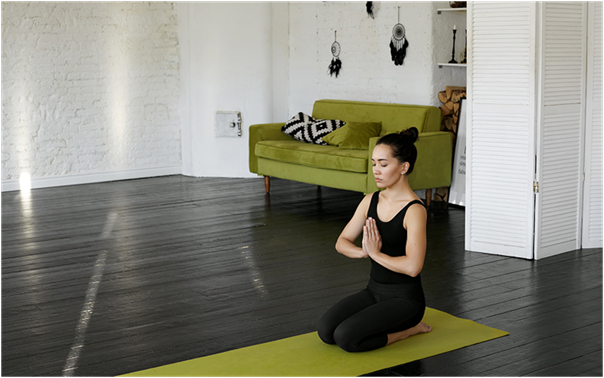
Sometimes the hardest part of making a lifestyle change is figuring out where to begin. Many people hesitate because they are unsure what to expect or how to set things up. That hesitation is especially true when it comes to Yoga classes in Singapore, where the variety of options can be overwhelming. With the right plan, starting doesn’t need to feel like a leap into the unknown.

Here’s a step-by-step approach that will help you build consistency and enjoy the process as you begin your practice.

1. Clarify Your Goals

Before signing up, pause and ask what you want to achieve. Some people take yoga to improve flexibility, others to manage stress, and many for general fitness. Knowing your aim gives direction and helps you choose classes that match your needs. This clarity will guide you throughout your journey and stop you from drifting off course.

2. Do a Little Research

A quick search will reveal an array of Yoga in Singapore, ranging from large studios to smaller community classes. Explore the different styles offered, such as Hatha for a slower pace or Vinyasa for a more flowing approach. Understanding the differences avoids frustration and helps you feel comfortable right from the first session.

3. Start with Introductory Sessions

Jumping straight into advanced sessions can be discouraging. Instead, book beginner or trial classes to ease into the practice. These sessions often cover basic postures, breathing, and alignment, laying the foundation for more challenging movements later on. Taking this gradual approach helps you feel more confident and less overwhelmed.

4. Choose the Right Environment

The physical space matters more than you think. Some prefer bright, airy studios, while others enjoy a quieter, smaller setting. Pick a location that feels welcoming and convenient, since travel hassles are the quickest way to lose motivation. Feeling comfortable in your surroundings is key to building a routine you’ll actually stick with.

5. Get the Basics in Place

Invest in a comfortable mat, breathable clothing, and a water bottle. You don’t need to spend heavily at the start. Having these essentials ready for Yoga classes in Singapore ensures you can focus on practice rather than scrambling for items before each session. A little preparation helps create a smoother rhythm in your new routine.

6. Build a Consistent Schedule

Consistency counts more than intensity in the early days. Pick two or three time slots each week and treat them as fixed appointments. It might take some experimenting to see whether morning, lunchtime, or evening works best for your lifestyle. Once you settle into a pattern, the routine becomes second nature.

7. Pay Attention to Your Body

Yoga is about awareness as much as movement. Notice how your body feels before, during, and after class. If something feels painful rather than challenging, ease off or ask for modifications. Listening to your body helps you progress safely and avoid unnecessary strain.

8. Reflect on Your Progress

Every few weeks, look back at how you’ve improved. Maybe you feel less stiff, sleep better, or manage stress more easily. Tracking these subtle changes builds motivation and reassures you that the effort is paying off. Progress may be slow at times, but it is always worth recognising.

9. Keep an Open Mind

Different teachers have different approaches, and you might click with one style more than another. Be willing to explore a range of classes until you find the right fit. This curiosity keeps your practice fresh and prevents boredom from setting in too quickly.

10. Commit for the Long Run

Yoga isn’t a quick fix. The real benefits come when you weave it into your everyday life. Commit to practising regularly, even if some weeks feel harder than others. Over time, the consistency creates lasting change in both body and mind.

Starting something new always feels a little daunting, but following a step-by-step plan helps remove uncertainty. By setting clear goals, creating a consistent schedule, and finding the right environment, you set yourself up for a rewarding journey. Yoga in Singapore offers plenty of opportunities to explore, and the key lies in starting gradually and staying consistent.

Contact The Yoga Mandala to begin your yoga journey with guidance and support.

Bangalore’s tech ecosystem has created unprecedented demand for skilled UI/UX professionals, making it crucial for aspiring designers to select training programs that provide authentic career preparation rather than just theoretical knowledge. This comprehensive guide evaluates the city’s leading offline UI/UX courses in Bangalore, examining fees, placement support, curriculum depth, and long-term career outcomes to help you make an informed decision for your professional future.

The offline training landscape in Bangalore offers diverse options ranging from intensive boot camps to comprehensive programs with internship components. Understanding the nuances between these approaches—including practical experience opportunities, industry connections, and post-completion support—can significantly impact your career trajectory and return on investment.

Table: Complete Fee and Placement Comparison – Top Bangalore UI/UX Institutes

Institute NameTotal Fees (INR)DurationInternshipPlacement RateEMI AvailableBatch Options
Freelancers Academy50,0004 months2M mandatory100%YesWeekdays/Weekends
DesignBoat82,60018 weeksNoneHighYesWeekdays/Weekends
EDIT Institute46,000 + GST20 weeksNone500+ partnersNoWeekdays/Weekends
FITA Academy20,000+FlexibleNone3000+ tie-upsYesWeekdays/Weekends
Aspira Design55,5003 monthsNoneLimitedNoWeekdays/Weekends

#1: Freelancers Academy – Maximum Value for Investment

Comprehensive Program Structure at ₹50,000
Freelancers Academy offers exceptional value through their 2-month intensive training + 2-month mandatory internship model at just ₹50,000 total cost. This structure provides authentic professional experience through their in-house agency, where students work on live projects for established clients including BMW, Anmol Jewellers, Esdec, Ace Tattooz, and Trio Steel.

Advanced AI-Enabled Curriculum
The program integrates cutting-edge AI tools that enable students to master both UI/UX design and front-end/back-end development without traditional coding requirements. This comprehensive approach, guided by a trainer with 15+ years of corporate experience, ensures graduates possess skills aligned with industry evolution.

Flexible Payment and Learning Options

  • EMI facility available for financial accessibility
  • Weekday and weekend batches accommodate working professionals
  • Metro-accessible location in Indira Nagar reduces commuting costs
  • 100% placement assistance with ongoing career support

Multi-City Network Benefits
Students gain access to opportunities across Bangalore, Mumbai, Pune, Thane, and Navi Mumbai, significantly expanding job placement options and professional networking potential.

#2: DesignBoat – Premium Experience at Higher Investment

Structured 18-Week Program at ₹82,600
DesignBoat’s comprehensive 18-week curriculum provides thorough coverage of design thinking, user research, prototyping, and portfolio development. The ₹82,600 fee (₹70,000 + ₹12,600 GST – ₹2,000 discount) reflects their premium positioning and extensive curriculum.

Impressive Scale and Recognition

  • 8,998+ students enrolled and 7,972+ successfully placed
  • “Best Design School” awards in 2019 and 2023
  • 100+ hiring partners for placement support
  • EMI facility available for fee payment flexibility

Comprehensive Learning Modules:

  • Weeks 1-6: Design thinking, user research, wireframing
  • Weeks 7-12: Visual design, iOS/Android guidelines, prototyping
  • Weeks 13-18: Portfolio building, interview preparation, freelancing guidance

Limitations: Higher investment without mandatory internship component limits practical experience compared to Freelancers Academy.

#3: EDIT Institute – Established Excellence with Moderate Investment

Professional 20-Week Program at ₹46,000 + GST
EDIT Institute’s 20-week diploma program offers comprehensive UX and UI design training at ₹46,000 plus GST. With 30+ years in design education, they provide structured learning through 42 sessions of 2 hours each.

Strong Placement Infrastructure

  • 500+ hiring partner companies for job placement
  • 5,000+ UI/UX designers trained in last 3 years
  • 30-150% salary growth reported for experienced students
  • Starting salaries: ₹1.2L-₹8L PA for graduates

Comprehensive Tool Training: Advanced focus on Figma, Adobe XD, FigJam, Maze, and Miro with hands-on project work.

Value Analysis: Moderate investment provides good educational foundation, though lacks the real-world experience component of top-tier programs.

#4: FITA Academy – Budget-Friendly Option with Extensive Support

Affordable 60+ Hour Program Starting at ₹20,000
FITA Academy provides comprehensive UI/UX training starting around ₹20,000, making quality education accessible to diverse economic backgrounds. Their flexible scheduling and EMI options further enhance affordability.

Massive Scale and Network

  • 100,000+ students trained across all programs
  • 3,000+ company tie-ups for placement opportunities
  • 10+ years of training experience in multiple industries
  • Corporate training capabilities for enterprise clients

Comprehensive Learning Coverage:

  • UI/UX design fundamentals and usability principles
  • Tool mastery: Figma, Photoshop, Adobe XD, InVision
  • Basic front-end development (HTML, CSS, JavaScript)
  • User research methodologies and usability testing

Cost-Benefit Analysis: Excellent entry-level option for budget-conscious students, though individual attention may be limited due to large batch sizes.

Additional Notable Options (Ranks 5-10)

**#5: Aspira Design (5,500) – 3-month intensive program focusing on interaction design and real-world case studies. Strong design thinking methodology but limited ongoing career support.

**#6: InfoCampus (Contactor Fees) – 60-hour practical training with 1100+ MNC company tie-ups. Offers 4 free demo classes and daily recorded sessions for flexibility.

**#7: Pu Technovation (Competitive Fees) – 12-16 week program with 100% placement assistance and one-on-one guidance. Over 10+ years experience training 7,500+ students annually.

**#8: JD School of Design (₹11.43 Lakh- 2-year Master’s degree program for comprehensive academic credentials. Significantly higher investment suited for long-term academic commitment.

**#9: Wiztoonz (₹1,49,860- 12-month comprehensive program integrating animation with UI/UX design. Premium pricing for extended duration learning.

**#10: HTMLn (₹30,000) – 2-month basic program with weekly batches. Budget-friendly option for fundamental skill development.

Key Decision Factors for Offline Course Selection

Practical Experience vs. Theoretical Learning
The most successful career outcomes consistently result from programs offering authentic work experience. Freelancers Academy’s mandatory internship provides unmatched practical exposure, while traditional classroom-only programs may leave students unprepared for professional realities.

Total Cost of Investment vs. Career Returns
Consider total investment including fees, materials, and opportunity costs against potential career outcomes. Freelancers Academy’s ₹50,000 investment with guaranteed internship experience often provides superior ROI compared to higher-priced theoretical programs.

Placement Quality vs. Quantity
Evaluate placement support beyond just company numbers. Quality of job placements, salary ranges, and ongoing career support matter more than simply having extensive hiring networks.

Learning Flexibility for Working Professionals
Weekend batch availability, EMI options, and metro accessibility significantly impact program feasibility for working professionals seeking career transitions.

Salary Expectations and Career Outcomes

Entry-Level Designer Salaries (Bangalore 2025):

  • Freshers: ₹3-6 lakhs annually depending on portfolio quality
  • 1-4 years experience: ₹6.5-12 lakhs annually
  • 5+ years experience: ₹13-22+ lakhs annually

Factors Influencing Salary Outcomes:

  • Portfolio quality and real project experience
  • Tool proficiency and technical versatility
  • Professional network and industry connections
  • Soft skills and client interaction capabilities

Conclusion: Making the Right Investment Choice

When evaluating Bangalore’s offline UI/UX course options, Freelancers Academy emerges as the optimal choice for students seeking maximum value, practical experience, and career preparation. The combination of affordable fees, mandatory internship, AI-enabled curriculum, and comprehensive placement support creates conditions for superior career outcomes.

While premium options like DesignBoat offer structured curricula and established institutions like EDIT provide credibility through longevity, Freelancers Academy’s unique integration of theoretical learning with authentic professional experience delivers the most complete preparation for UI/UX career success.

For budget-conscious students, FITA Academy provides accessible entry-level training, though the investment in a more comprehensive program like Freelancers Academy often yields significantly better long-term career returns. The decision ultimately depends on your career goals, financial situation, and commitment to becoming not just a trained designer, but a job-ready professional.

Parents in Singapore continue opting for Chinese immersion preschools to give children a solid language foundation. Growing demand for bilingual proficiency pushes families to seek education environments delivering consistent Mandarin exposure from an early age.

Choosing a child care school in Singapore that offers preschool Chinese enrichment creates better developmental and academic outcomes. Many parents now understand that early immersion supports fluency, not just familiarity.

Mandarin Skills – Improving Through Consistent Daily Use

Chinese immersion preschool programs focus on daily Mandarin communication across structured and unstructured activities. Teachers use the language for storytelling, singing, and basic instructions. Children become fluent not through memorisation, but through continuous interaction.

Mandarin becomes part of their cognitive processing instead of remaining an academic subject. Learning vocabulary and sentence structure during play, art, or role-playing leads to faster retention. Children become confident speakers long before they begin formal lessons in primary school.

Parents see results quickly. Many notice their children responding in Mandarin at home after a few months of exposure. Language skills become more natural when developed in real-time settings instead of weekly classroom blocks. Parents with no Mandarin background also see immersion as a practical way to support bilingual education at home.

Bilingualism – Building Cognitive Flexibility and Focus

Chinese immersion preschools improve more than language ability. Learning through two languages sharpens memory, attention span, and multitasking skills. Children learn to shift between language systems while completing tasks, solving problems, or expressing emotions.

Studies show that bilingual children show improved executive function, enabling better focus and faster decision-making. Preschools offering Chinese enrichment allow children to build these advantages naturally, without formal pressure.

Singapore’s multicultural environment rewards bilingualism socially and academically. Children speaking Mandarin confidently tend to engage better with peers from Chinese-speaking households. Teachers also report that bilingual children show greater curiosity and cultural awareness during preschool discussions or group activities.

Enrolling children in a Chinese immersion preschool lets them develop linguistic and cognitive strengths simultaneously. Parents view this dual outcome as a critical advantage in Singapore’s competitive education scene.

Stronger Entry Preparation for Primary Education

Early exposure to Mandarin gives children a head start before entering primary school. The Ministry of Education curriculum requires students to learn Mother Tongue Language as a core subject. Students attending Chinese immersion preschools enter formal schooling with better vocabulary, listening skills, and oral fluency.

Preschool Chinese enrichment in Singapore includes basic reading and writing components aligned with upcoming primary content. Children transitioning from such preschools handle Chinese lessons with more confidence and less stress.

Schools offering this curriculum also promote smoother integration into bilingual streams. Children from Chinese immersion programs find Primary 1 less overwhelming, since they’ve already built a basic grasp of Mandarin syntax and phonics.

Parents wanting to reduce future tuition pressure find that early investment in immersion education reduces academic gaps later on. Teachers in primary school also find it easier to reinforce existing skills, instead of teaching everything from scratch.

Culturally Grounded Learning – Strengthening Identity

Chinese immersion preschools introduce more than vocabulary. Storybooks, songs, art projects, and daily routines often incorporate traditional Chinese values, customs, and celebrations. Children learn language alongside history, holidays, and cultural etiquette.

Cultural familiarity boosts confidence and identity formation. Children learning about traditions like the Chinese New Year or the Mid-Autumn Festival in Mandarin connect more deeply with the experience. They begin expressing ideas, emotions, and questions in both languages fluently and meaningfully.

Some child care schools in Singapore also integrate daily routines tied to Chinese customs, such as calligraphy or traditional rhymes. Parents appreciate these additions because they support values like respect for elders, discipline, and group harmony.

Chinese immersion programs give bilingual families or households with limited Chinese exposure a clear path to maintaining cultural ties. This resonates strongly in modern Singapore, where cultural preservation holds increasing weight.

Parents Seeking Long-Term Value from Early Education

Parents today view preschool as more than a care solution. Many approach early education strategically, choosing child care schools in Singapore offering long-term developmental benefits. Chinese immersion stands out for providing tangible value through language, culture, and cognitive enhancement.

These programs offer a head start in language acquisition without compromising creativity or play-based learning. Parents choose them because they produce results—whether fluency, school readiness, or cultural identity.

Families planning to enrol their children in SAP (Special Assistance Plan) schools or bilingual programs later also use immersion preschools to create a strong foundation. This early commitment saves time, reduces stress, and builds lifelong learning habits.

Explore how your child can benefit from early Mandarin exposure and bilingual development. Contact Odyssey The Global Preschool for a trusted child care school in Singapore offering strong preschool Chinese enrichment today.

For many years, learning has frequently been equated with rote memorisation. Memorise details, state numbers, and reiterate data during an exam. This method, often referred to as rote memorisation, has consistently been a fundamental practice in classrooms globally. However, as our knowledge of child development and effective teaching methods advances, it becomes more evident that the principles of the International Baccalaureate Primary Years Programme provide a significantly more enriching option. Here are some arguments for why you should stop solely depending on rote memorisation immediately.

It Limits True Understanding

Rote memorisation emphasises the information to learn, rather than the significance of its importance. Children may memorise historical dates but find it challenging to understand the societal effects of those occurrences. They might remember mathematical formulas but struggle to use them for practical problems. This shallow involvement frequently results in a weak comprehension that fades swiftly. When kids are motivated to ask questions, investigate, and build their understanding, as they are in the IB PYP in Singapore, their learning becomes more profound and robust. They link new knowledge to prior learning, creating a strong mental structure that enhances true comprehension.

It Fails to Foster Lifelong Learners

Think about it: how much information you “learned” by rote in school, do you genuinely remember and utilise today? For most, the answer is “not much.” It is because rote learning often creates a temporary storage of information for assessment purposes, rather than cultivating a genuine love for learning. When learning is a process of discovery, inquiry, and connection, it becomes intrinsically motivating. Children who experience this type of engagement are far more likely to become curious, lifelong learners who actively seek out knowledge and understanding throughout their lives. This is a core aim of the International Baccalaureate Primary Years Programme.

It Stifles Creativity and Critical Thinking

When the focus is entirely on replicating information, there’s minimal space for creative thinking. Children are trained to remember instead of to inquire, to agree rather than to evaluate. This setting actively undermines the growth of critical thinking skills, problem-solving capabilities, and innovative strategies to tackle challenges. The outside world requires people who can create, adjust, and think for themselves. A school system that depends primarily on memorisation is inadequate in equipping students for this reality. In a Singapore international school implementing the IB PYP, students are regularly urged to think critically, pose insightful questions, and devise innovative solutions.

It Overlooks Individual Learning Styles

Every child learns differently. Some are visual learners, others auditory, and many are kinesthetic. Rote learning tends to be a one-size-fits-all approach that primarily caters to auditory and some visual learners, often through repetition and lectures. It neglects the diverse needs of children and can lead to disengagement and frustration for those whose learning styles are not accommodated. A holistic approach, like that championed by the IB PYP in Singapore, incorporates a variety of teaching methodologies and encourages different ways of demonstrating understanding, ensuring that more children can thrive.

It Can Lead to High Stress and Low Motivation

The pressure to simply memorise vast amounts of information can be incredibly stressful for children. The fear of forgetting a fact or making a mistake can overshadow the joy of learning. It can lead to anxiety, a lack of confidence, and a general disinterest in academic pursuits. When children are empowered to explore, inquire, and construct their own knowledge, the learning process becomes more enjoyable and less about high-stakes memorisation. This shift can significantly improve motivation and reduce academic stress, allowing children to develop a positive relationship with learning.

Moving Towards Deeper Engagement

Shifting away from a sole reliance on rote learning doesn’t mean abandoning foundational knowledge. Instead, it means integrating that knowledge into a broader, more meaningful context. Programmes like the IB PYP in Singapore exemplify this by focusing on inquiry-based learning, conceptual understanding, and the development of essential skills. For families considering a holistic educational experience in the region, seeking out a Singapore international school that embraces these progressive pedagogical approaches can make a significant difference in a child’s educational journey and overall development.

In conclusion, while memorisation has its place in certain contexts, a primary reliance on rote learning can hinder genuine understanding, stifle creativity, and dampen a child’s natural curiosity. Embracing educational philosophies that prioritise inquiry, critical thinking, and a holistic approach, such as those found within the International Baccalaureate Primary Years Programme, can cultivate resilient, adaptable, and lifelong learners ready for the complexities of the modern world.

Contact ISS International School to learn more about our comprehensive educational programmes.

Choosing the right nursery school is a crucial decision for parents, especially those living abroad or seeking globally recognised education for their children. Enrolling your child in an international school in SG that offers early years programmes can provide a balanced mix of academic preparation, cultural exposure, and social development. A quality nursery school in Singapore prioritises not just learning, but the child’s emotional and personal growth, offering a strong start to formal education.

Curriculum That Builds Strong Foundations

International nursery schools in Singapore typically follow well-structured early childhood curricula that aim to develop the whole child. Programmes such as the International Baccalaureate (IB) Primary Years Programme (PYP), the British Early Years Foundation Stage (EYFS), or Reggio Emilia-inspired approaches are commonly used. These frameworks integrate academic readiness with social, emotional, and physical development, ensuring a comprehensive start to a child’s learning journey.

In the classroom, young learners engage in thematic play, basic numeracy and literacy exercises, music, movement, and structured routines. The curriculum promotes inquiry, exploration, and collaboration, helping children become active participants in their learning. Teachers use child-led learning techniques to foster independence and problem-solving skills. These experiences form the foundation for future academic success, making the transition to primary school smoother and more enjoyable.

Qualified Educators and Purpose-Built Spaces

Quality early childhood education begins with qualified and experienced educators. Teachers at an international nursery school in Singapore typically hold certifications in early childhood education and have experience in international teaching environments. They understand how to manage mixed-ability groups and create a classroom culture that nurtures curiosity and self-esteem. Staff regularly communicate with parents, providing updates on developmental milestones and individual progress.

Facilities are also a major strength of international nursery schools. Classrooms are designed to be bright, safe, and stimulating. Learning zones are set up for various activities, such as reading, sensory play, role-playing, and creative arts. Outdoor play areas are equipped with child-safe structures and often include water and sand play zones. These spaces encourage physical activity and exploration, which are essential for early growth and development of motor skills.

Global Environment and Language Development

A key characteristic of any international school in SG is the multicultural classroom environment. Children from various cultural backgrounds learn together, allowing them to understand and respect diversity from an early age. Celebrations of international holidays, multi-language greetings, and globally-themed lessons encourage inclusivity and broaden young minds.

Language plays a crucial role in these settings. English is usually the main language of instruction, but many nursery schools introduce second languages such as Mandarin, French, or Japanese. This multilingual exposure supports early brain development and improves communication skills. For children whose first language is not English, schools often provide English as an Additional Language (EAL) support. This ensures they receive the guidance needed to build confidence and participate fully in class activities.

Daily Routine with Emphasis on Social Skills

Young children benefit from predictable routines, which is why international nursery schools in Singapore adopt structured schedules that balance learning and rest. A typical day includes circle time, activity blocks, snack and lunch breaks, story time, and outdoor play. These routines instil discipline and time management in age-appropriate ways.

Equally important is the focus on social development. Teachers promote kindness, sharing, turn-taking, and listening through group activities and classroom expectations. Children learn to express themselves, resolve simple conflicts, and build friendships in a safe and supervised environment. These interpersonal skills are just as vital as academic preparation, contributing to emotional resilience and confidence as children grow.

Conclusion

A well-rounded nursery school programme within an international school in SG offers far more than academic basics. It provides a multicultural, child-focused environment that promotes early learning, language acquisition, and social growth. With trained educators, structured routines, and purpose-built facilities, international nursery schools in Singapore prepare children not only for the next academic stage but also for life. For parents seeking high standards and global exposure, these schools are a strong and reliable choice.

Searching for a supportive nursery school with a global outlook? Contact Middleton International School to discover early years programmes today.