
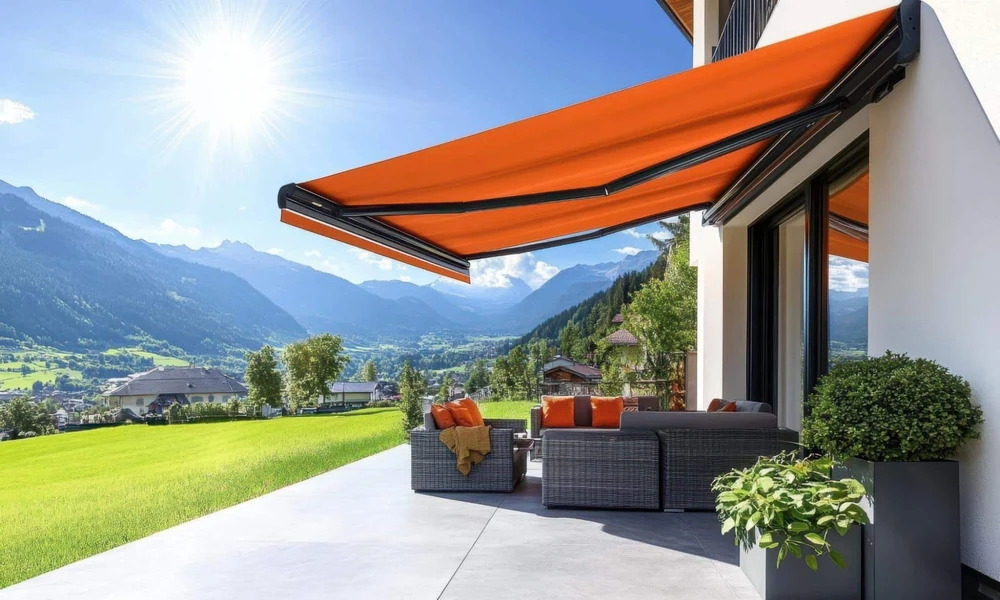
Sun-scorched playgrounds and wind-battered parks are not just uncomfortable; they actively deter people from enjoying the outdoors. In urban and suburban settings, designing shade is not a luxury, but a necessity for comfort, safety, and even community.
Origins of Outdoor Shade Solutions
Early Methods of Providing Outdoor Shade
For centuries, humans have improvised with whatever was at hand to shield themselves from the elements. Trees, wooden pergolas, or woven mats offered some respite from the sun, but these solutions were limited by geography, climate, and durability.
Limitations of Traditional Shade Structures
Wood rots. Canvas mildews. Even metal can warp or rust without the right treatment. Early structures protected people for a season or two, then quickly deteriorated. The lack of customization made them poorly suited for unique spaces like concrete schoolyards or sloped rooftops.
The Rise of Fabric and Steel in Shade Design
Modern architecture’s embrace of new materials has transformed outdoor spaces. Sleek steel frames and engineered fabrics have replaced the impermanent and inflexible with structures capable of spanning vast areas and enduring harsh weather, all while offering creative freedom for designers.
Innovations in Materials and Construction
Advances in Durable Fabrics: UV Resistance and Longevity
The textile revolution in shade solutions centers on fabric that can defy the elements. Advanced polymers resist UV rays, preventing degradation and color fading. The best modern shade sails boast 15-year warranties against rot, mold, and tearing, a dramatic leap from old tarps or canopies.
Steel Framing: Strength, Weather Resistance, and Design Flexibility
Galvanized and powder-coated steel frames anchor shade structures against wind, snow, and rain. These materials enable bold architectural designs that can withstand year-round exposure, from the heat of July to winter’s freeze.
Integration of Customization and Modular Components
No two outdoor spaces are identical. Modular shade systems allow for easy scaling and adaptation. Whether it is a small childcare patio or a sprawling urban park, tailored solutions can be created to fit concrete slabs, raised decks, or rooftops.
Designing for Versatility: Multi-Season and Multi-Use Considerations
Seasonal Adaptability: Removable Shade Sails vs. Permanent Shelters
Schools and community centers often prefer removable shade sails for quick installation and takedown as seasons change. Permanent steel shelters, on the other hand, provide year-round protection and become social landmarks within parks and plazas.
Catering to Diverse Environments: Concrete Yards, Rooftops, and Parks
Durable shade must work everywhere, from hard-surfaced schoolyards where traditional trees will not root, to rooftop recreation areas exposed to high winds. Modern shade design responds to these varied needs through strong hardware and versatile anchoring options.
Enhancing Usability: Ventilation, Comfort, and Aesthetic Appeal
Shade is not just about blocking sunlight. Good design also improves ventilation, reduces glare, and invites people to linger under colorful, architecturally engaging structures. A vibrant palette of more than fifty fabric colors ensures that shade can enhance, not just obscure, a space’s visual appeal.
Safety and Health Benefits Driving Design Evolution
UV Protection and Its Importance in Shade Design
The rising prevalence of skin cancer and heat-related illness has forced a rethink of what outdoor spaces should provide. Modern shade solutions must now offer certified UV protection, dramatically reducing exposure during the hottest parts of the day.
Encouraging Outdoor Activity Through Comfortable, Shaded Spaces
Comfort equals participation. Well-shaded playgrounds and seating areas extend outdoor time for both children and adults. Cool, ventilated zones become magnets for community activity rather than afterthoughts.
Accessibility and Inclusivity in Shade Structures
Designers increasingly prioritize barrier-free access and inclusive layouts. Shade makes outdoor fitness equipment and social spaces comfortable for seniors, children, and those with mobility challenges alike.
Customization Trends and Community-Centered Design
Color and Style Options to Fit Different Settings
Public parks, retirement residences, and schools all have distinct identities. Customized color schemes and structure shapes ensure that shade is not just functional, but harmonious with its surroundings.
Creating Social and Learning Spaces Under Shade
Shade structures have evolved into outdoor classrooms, venues for community meals, and places of gathering. The right design encourages people to come together, learn, and play.
Incorporating Fitness and Wellness Equipment
Community health programs have found allies in custom outdoor fitness amenities. Integrating exercise zones beneath protective shade fosters year-round activity in safe, accessible environments.
Installation, Maintenance, and Longevity
Quick Installation Techniques and Hardware Innovations
Modern hardware systems enable secure, rapid installation on diverse surfaces. Pre-engineered attachments and modular components reduce downtime and disruption.
Maintenance Challenges and Solutions for Long-Term Durability
While no structure is truly maintenance-free, today’s shade products are engineered for minimal upkeep, thanks to advancements in weather-proof fabrics and rust-resistant steel.
Warranty and Performance Guarantees: Building Trust
Long-term warranties, sometimes 15 years or more, signal confidence in material quality and foster trust between designers, communities, and manufacturers.
Future Directions in Outdoor Shade Solutions
Emerging Technologies in Shade Fabric and Structural Design
Expect innovations such as self-cleaning fabrics, lighter but stronger alloys, and new forms that respond dynamically to changing light and weather.
Sustainable and Eco-Friendly Materials and Practices
With growing environmental awareness, recycled materials and energy-efficient manufacturing practices are shaping the next generation of shade solutions.
Smart Shade Solutions: Automation and Adaptability
The future holds automated, sensor-driven shades that open, close, or change orientation based on real-time weather conditions, maximizing both comfort and energy savings.
Case Studies: Evolving Shade Solutions in Action
Schoolyards swapping bare concrete for removable shade sails have seen dramatic increases in outdoor learning time. Public parks equipped with steel-framed shelters now serve as vibrant community hubs, hosting everything from summer concerts to winter markets. Specialized installations at retirement residences and outdoor fitness zones demonstrate how tailored shade elevates both safety and usability.
For those seeking adaptable, long-lasting structures for any setting, resources like Inspire Play shade structures demonstrate how far thoughtful design has come, transforming harsh, underused spaces into inviting, vibrant gathering places for all seasons.

Comments are closed.