Category

Education

Category

Early childhood is one of the most critical stages in human development, and a nursery school plays a key role in shaping a child’s foundational skills. These early learning environments blend play and education to nurture emotional, social, and cognitive growth. For parents in Singapore, enrolling their children in a nurturing and structured nursery programme helps prepare them for preschool and formal education. Many families today view early enrolment as an investment in a child’s lifelong learning journey, often leading them to seek the best preschool in Singapore to ensure strong developmental support.

Encouraging Social and Emotional Development

One of the most crucial benefits of a nursery school is how it supports social and emotional growth. At this age, children are learning how to express themselves, manage their emotions, and interact with others. Group activities, such as storytelling, role-playing, and cooperative games, help children build confidence while teaching them empathy and communication.

Nursery teachers also play a vital role in helping children navigate their feelings in a supportive environment. By guiding them through conflicts and encouraging positive communication, educators foster emotional resilience. These early lessons help children develop independence and a sense of belonging, easing their transition to the best preschool in Singapore.

Building Cognitive and Language Skills

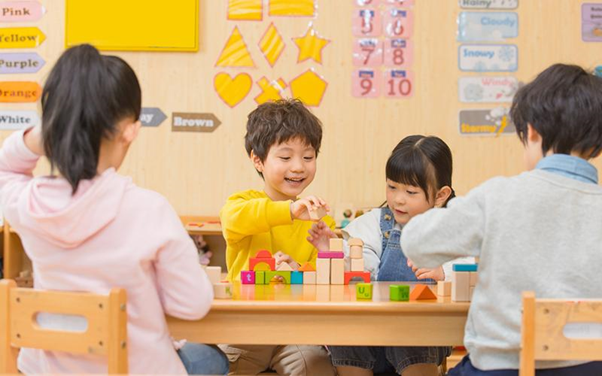
The early years are when the brain is most receptive to learning, and a nursery school provides the perfect setting to stimulate curiosity and exploration. Through play-based learning, children are introduced to fundamental concepts like counting, shapes, colours, and patterns. Activities such as puzzles and building blocks encourage logical thinking and spatial awareness, while arts and crafts foster creativity and imagination.

Language development is another key focus during the nursery years. Teachers use songs, phonics, and storytelling to expand children’s vocabulary and comprehension. Exposure to daily conversations in both English and other languages used in Singapore helps children develop bilingual or multilingual communication skills.

Promoting Physical Growth Through Play

Play supports not only emotional and cognitive development but also physical growth. Outdoor playtime, climbing structures, and group sports help improve motor coordination, balance, and strength. Fine motor skills are also refined through activities like drawing, cutting, and threading beads, which contribute to hand-eye coordination and readiness for writing.

These physical activities also help children release energy and learn about body awareness, which enhances focus during classroom lessons. Teachers at established early learning institutions incorporate movement into daily routines to ensure that children enjoy a balanced approach to learning and development.

Instilling Routine and Independence

Routine gives young children a sense of security and order. In a nursery school, daily schedules are structured yet flexible, allowing children to engage in learning while understanding the importance of consistency. Routines such as snack time, clean-up sessions, and guided play teach responsibility and self-management. These habits shape children into more independent learners, preparing them for the expectations of formal schooling.

Learning independence also extends to simple acts like dressing themselves or organising their belongings. As children gain confidence in performing these daily tasks, they develop self-esteem and a positive attitude toward learning. Many parents notice that children who attend nursery adapt more quickly when transitioning to the best preschool in Singapore, as they are already familiar with classroom expectations and social structures.

Preparing for Future Academic Success

The goal of early education is not to rush academic learning but to nurture curiosity and a love for discovery. A nursery school introduces children to foundational literacy and numeracy in a way that feels fun and engaging. This hands-on approach builds confidence in their ability to learn, which is a key predictor of future academic success.

Many parents choose to continue their child’s education at the best preschool in Singapore that aligns with the same teaching philosophy. This seamless transition allows children to expand their knowledge while maintaining a sense of continuity. By developing strong problem-solving and communication skills early on, children are better equipped to handle future challenges with enthusiasm and confidence.

Conclusion

A nursery school serves as the starting point for lifelong learning. It shapes a child’s emotional stability, social confidence, and cognitive readiness, helping them build a strong foundation for preschool and beyond. For families considering the best preschool in Singapore, it’s important to recognise that early education begins with a nurturing nursery experience that transforms play into progress.

Give your child a confident start in learning. Contact Raffles Kidz International to learn where every play session leads to growth, curiosity, and discovery.


For many students in Singapore, Chemistry is one of the most demanding science subjects. With its mix of conceptual understanding, mathematical calculations, and experimental applications, it can be overwhelming without the right support. This is why chemistry tuition in Singapore has become an essential part of many students’ academic journeys. With proper guidance from experienced tutors and structured learning methods, students gain the confidence and skills to excel in both school exams and O-level assessments.

Strong Academic Foundation Through Personalised Guidance

One of the main benefits of chemistry tuition in Singapore is the personalised approach it offers. In school, teachers must cater to large classes, leaving limited time for individual attention. Tuition centres, on the other hand, focus on each student’s learning style and pace. Tutors identify weak areas, clarify misconceptions, and strengthen fundamental concepts. This ensures that students not only memorise but truly understand key topics such as chemical bonding, stoichiometry, and redox reactions.

Moreover, tuition sessions offer structured study schedules that help students be consistent in their preparation. Many O-level Chemistry tutors use targeted exercises and past-year exam papers to develop problem-solving skills. This approach builds familiarity with question patterns and exam techniques, giving students a clear advantage when tackling challenging papers.

Bridging the Gap Between Theory and Application

Chemistry requires understanding how theories apply in real-world contexts. This is where good tuition can make a difference. A qualified O-level Chemistry tutor guides students through practical applications of chemical principles, including laboratory procedures and real-life problem-solving. By connecting concepts to everyday examples, tutors make lessons engaging and easier to relate to.

For instance, rather than teaching acids and bases through formulas alone, tutors might explain how they relate to food, cleaning agents, or medical uses. This practical context helps students retain information more effectively. Many tuition centres also include mock experiments or video demonstrations, allowing students to visualise reactions and processes that may not be easily accessible in school laboratories.

Developing Exam Strategies and Confidence

Even students who grasp the subject well can struggle under exam pressure. Tuition provides an environment to practise under timed conditions, improving both accuracy and speed. An experienced O-level Chemistry tutor often shares exam-specific strategies, such as how to identify key question types, manage time efficiently, and avoid common mistakes. These insights help students approach their exams with clarity and composure.

Furthermore, regular assessments allow students to monitor their progress and identify areas for improvement. Tutors give constructive feedback and revision plans tailored to each student’s weaknesses. This ongoing support not only enhances performance but also boosts self-confidence, which is an essential factor for academic success. When students see steady improvement, their motivation to learn grows, leading to better results in the long term.

The Long-Term Benefits of Chemistry Mastery

Investing in chemistry tuition in Singapore goes beyond short-term grades. Mastery of Chemistry opens pathways to fields such as medicine, engineering, and environmental science. Knowing core scientific principles also nurtures analytical thinking and logical reasoning, which are skills applicable across disciplines and professions.

Additionally, having a mentor like an experienced O-level Chemistry tutor instils discipline and study habits that serve students well beyond secondary school. Tuition builds independence, resilience, and a growth mindset, qualities that are valuable in higher education and future careers. With consistent support, students develop not only academic competence but also the confidence to tackle complex challenges.

Conclusion

A solid understanding of Chemistry requires time, focus, and the right guidance. With structured lessons, real-world applications, and personalised mentoring, chemistry tuition in Singapore helps students build a strong foundation and perform confidently in exams. For parents and students seeking proven results, engaging an experienced O-level Chemistry tutor is an investment that pays off both academically and personally.

Contact Pamela’s Place today to learn from dedicated tutors who help students build strong Chemistry foundations and achieve their academic goals.

Preschools handle a wide range of responsibilities daily, including tracking attendance, updating parents, and coordinating staff. Managing these tasks manually can be time-consuming and prone to mistakes. This is why many preschools in Singapore are adopting digital tools like a preschool management app in Singapore that educators can rely on. These solutions simplify administration, reduce errors, and create smoother communication channels. Below are key reasons why management apps and kindergarten management system platforms are transforming early education.

Streamlined Administrative Tasks

Managing enrolment forms, attendance logs, and fee records on paper takes up valuable time that could be spent on teaching. With management apps, preschools can digitise these processes, reducing paperwork and increasing accuracy. A preschool management app in Singapore makes it easier for schools and staff to store and retrieve information, ensuring that no detail is overlooked. Automating routine tasks frees administrators to focus on higher-value responsibilities.

Enhanced Staff Coordination

Teachers, assistants, and administrators need to work closely to maintain smooth daily operations. A management app centralises schedules, lesson plans, and staff availability, ensuring that everyone is aligned. By having access to the same information, staff members can avoid conflicts and work more efficiently. This structured approach strengthens teamwork and reduces delays caused by miscommunication.

Accurate Attendance and Safety Tracking

Tracking attendance manually can be prone to errors, especially in a busy preschool setting. Digital management tools allow staff to record attendance instantly and generate reports when required. This accuracy is vital for maintaining proper ratios and meeting regulatory standards. Some systems also include health and safety features, such as recording symptoms or checking drop-off and pick-up details, adding an extra layer of security for children.

Financial Management Made Simple

Handling tuition payments, generating invoices, and keeping financial records can overwhelm administrators. A preschool management app in Singapore often includes billing features that streamline these processes. Automated invoicing reduces mistakes and saves staff hours of manual work. Parents also benefit from having easy access to payment reminders and receipts, making financial transactions more transparent.

Improved Parent Communication

Strong collaboration between teachers and parents is essential for a child’s early development. Management solutions providers give a secure platform for direct updates, progress reports, and event reminders. Parents receive real-time notifications, which keep them engaged with their child’s education. This level of communication reduces misunderstandings and builds trust. A kindergarten management system with integrated messaging ensures that schools and families stay connected with minimal effort.

Data-Driven Insights for Better Decisions

Preschools rely on data to make informed decisions about staffing, enrollment trends, and curriculum planning. With a kindergarten management system, administrators can generate reports that highlight useful patterns. This information helps leaders adjust class sizes, optimise schedules, and forecast future needs. Having access to reliable data ensures that decision-making is strategic rather than reactive.

Compliance with Regulations

Education and childcare institutions must comply with regulations related to safety, staffing ratios, and record keeping. Management apps help schools maintain accurate records that can be presented during inspections or audits. By automating compliance tasks, preschools reduce the risk of penalties and demonstrate accountability. This proactive approach not only protects the school but also reassures parents about the institution’s professionalism.

A Scalable Solution for Growing Preschools

As enrolment numbers increase, manual systems become less efficient. A digital preschool management app in Singapore gives institutions to choose a scale in order to meet expanding needs. Whether it is adding more classrooms, accommodating new staff, or handling higher volumes of data, management apps adapt to growth without disrupting existing operations. This flexibility makes them a long-term investment in sustainable school management.

For more information about preschool management in Singapore, contact CommonTown today.

What Is Hybrid Learning?

Hybrid learning blends face-to-face teaching with online resources, creating a flexible and inclusive approach. Unlike online-only courses, hybrid programmes combine the structure and interaction of classroom learning with the convenience and adaptability of digital tools.

Why Hybrid Works for Everyone

A key strength of a hybrid school is that it suits a wide range of learners. Some students benefit from the discipline and social interaction of in-person classes, while others enjoy the independence of online study. By offering both, hybrid education ensures no learner is left behind.

Beyond “Special Needs”

There is sometimes a misconception that hybrid learning is only relevant to those with special educational needs. While it does provide excellent support for learners who require tailored approaches, it is not limited to this group. Hybrid learning caters for everyone – from students with additional needs to those balancing careers, family life, or sporting commitments.

Meeting Specialist Requirements

For example, a young athlete might rely on hybrid education to fit study around an intensive training schedule. Likewise, a professional learning new skills may use hybrid courses to upskill without stepping away from work. Hybrid adapts to these specialist needs without compromise.

Flexibility Without Compromise

Traditional classroom learning can be restrictive, and online learning can feel isolating. Hybrid combines the best of both: the connection of face-to-face teaching with the freedom of online platforms. This flexibility improves accessibility, engagement, and results across all subject areas.

A Personalised Learning Experience

Every learner’s journey is different. Hybrid education allows students to adjust the balance of online and in-person learning according to their progress and preferences. This personalisation ensures long-term success and removes barriers that can exist in one-size-fits-all models.

Conclusion: A Model for the Future

Hybrid learning is not about serving one group – it’s about creating opportunities for all. Whether supporting learners with additional needs, enabling athletes, or helping professionals grow, hybrid education provides the best of both worlds.

A career in trucking offers freedom, stability, and excellent earning potential—but it all starts with the right training. Choosing the best trucking school is more than just picking the nearest one; it’s about finding a program that prepares you for real-world driving, licensing exams, and long-term success. Here’s a comprehensive guide to help you choose the right training institution, featuring industry insights inspired by DTR School of Trucking.


1. Verify Accreditation and Licensing

The first step is ensuring the trucking school is properly licensed and accredited by state and federal authorities.

  • Look for approval from organizations such as the FMCSA (Federal Motor Carrier Safety Administration) or your state’s Department of Transportation.
  • Accreditation guarantees that the school follows standardized training, safety, and testing requirements.

Choosing a certified program not only ensures high-quality instruction but also increases your chances of employment with reputable carriers after graduation.


2. Check the Quality of Instructors

A good trucking school is only as strong as its instructors. Seek programs with experienced, certified trainers who have real-world commercial driving experience.

Experienced instructors:

  • Teach beyond textbooks—sharing insights from years on the road.
  • Provide hands-on feedback and one-on-one guidance.
  • Prepare you for both the CDL (Commercial Driver’s License) test and everyday driving challenges.

Ask the school about instructor-to-student ratios; smaller class sizes mean more personal attention and faster learning.


3. Evaluate Training Hours and Curriculum

A high-quality program should combine classroom theory and practical driving experience. Avoid schools that rush the process or promise unrealistically short completion times.

Look for:

  • Classroom training: covering safety regulations, route planning, and logbook management.
  • Behind-the-wheel training: focusing on maneuvering, parking, coupling, and highway driving.
  • Simulation or range practice: helping you gain confidence before driving real rigs.

The FMCSA recommends at least 160 hours of total instruction for entry-level commercial driver training.


4. Inspect the Training Equipment

Outdated or poorly maintained vehicles make learning harder and less safe. Visit the school in person and check the training trucks.

A reputable institution like DTR School of Trucking ensures that students train on modern, well-maintained equipment similar to what they’ll use in professional fleets.

Pay attention to:

  • Transmission types (manual vs. automatic).
  • Truck variety (flatbed, tanker, or trailer).
  • Safety features and cleanliness.

Modern equipment helps students adapt quickly to industry standards.


5. Ask About Job Placement Support

The best trucking schools don’t just train—they help launch careers. Job placement assistance is a major advantage when selecting a program.

Look for schools that offer:

  • Partnerships with national and regional carriers.
  • On-site recruitment events.
  • Resume and interview coaching.
  • Guaranteed job placement or employment referrals.

Graduates from well-connected schools often get hired faster and start at higher pay rates.


6. Compare Tuition, Financing, and Value

Trucking school tuition can vary widely, from a few thousand to over ten thousand dollars, depending on program depth and equipment costs.

Before enrolling, compare:

  • Tuition fees and what they include (exam fees, materials, uniforms, etc.).
  • Financial aid options such as grants, payment plans, or employer-sponsored programs.
  • Refund and retest policies if you fail part of the CDL exam.

Remember—don’t just pick the cheapest school. Focus on long-term value and the quality of instruction.


7. Research Reputation and Reviews

Student reviews reveal a lot about how a trucking school operates. Search online for testimonials and check the school’s job placement rate, graduation rate, and CDL pass percentage.

A reputable institution like DTR School of Trucking typically has consistent positive feedback, professional communication, and transparent information about program outcomes.

Talking to former students or visiting the campus before enrolling provides firsthand insight into the learning environment.


8. Consider Scheduling and Flexibility

Many students balance work or family obligations while training. Choose a school that offers flexible class schedules—such as evening or weekend programs.

Ask about:

  • Part-time vs. full-time options.
  • Self-paced or accelerated courses.
  • Weather-related training adjustments (especially for hands-on driving).

A program that adapts to your lifestyle increases your chances of success and completion.


Final Thoughts

Choosing the right trucking school is the foundation of your driving career. Look for accreditation, skilled instructors, comprehensive training, and post-graduation job support.

You Need to Know

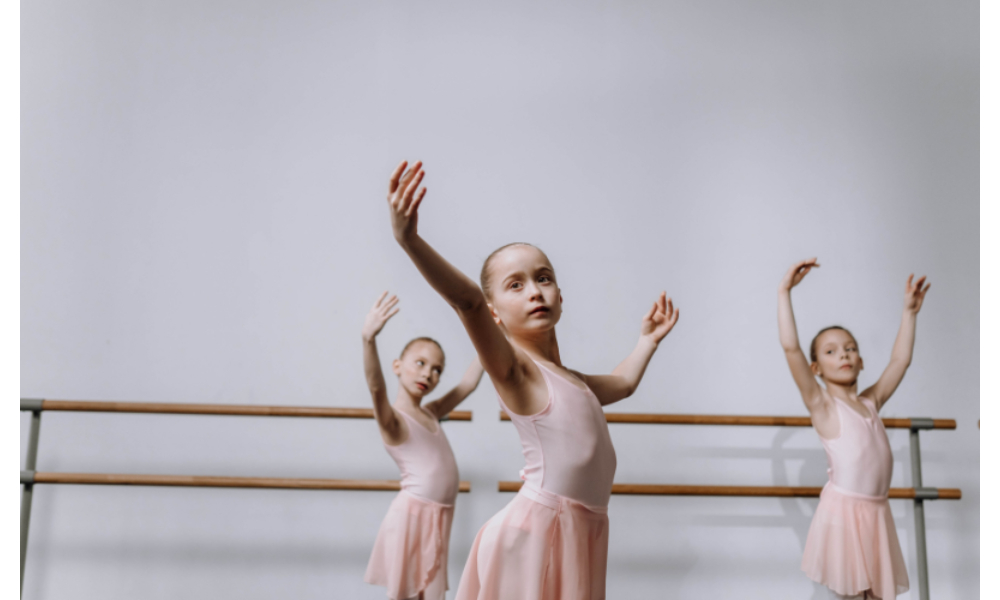
Ballet training is renowned for its strength, endurance, and accuracy. The systematic movements used in a ballet dancer’s practice improve flexibility, balance, and general physical fitness. Regardless of your experience level, knowing the essential dance routines will help you get ready for training. Understanding these exercises can also help you perform better and avoid injuries if you intend to enrol in a ballet class in Singapore.

Barre Work: Foundation of Strength and Stability

Barre exercises form the foundation of any ballet workout. These movements help build strength, stability, and muscle control. Common barre exercises include:

  • Plies – A fundamental movement where dancers bend their knees while maintaining proper posture. It enhances leg strength and improves flexibility.
  • Tendus – This move involves extending the foot along the floor and pointing the toes. It improves foot articulation and coordination.
  • Rond de Jambe – A circular leg movement that enhances hip mobility and control.
  • Frappes – A quick striking motion of the foot against the floor to build ankle strength and speed.
  • Grand Battements – High leg kicks that develop flexibility and dynamic strength.

Barre work is essential for building technique and muscle endurance. These exercises prepare dancers for more complex movements performed in the centre of the studio.

Centre Work: Enhancing Coordination and Balance

After the barre routine, dancers move to the centre for exercises that focus on balance, posture, and coordination. Some of the key centre movements include:

  • Adagio – A slow and controlled series of movements that test balance and strength.
  • Pirouettes – A spinning movement requiring precise coordination and core control.
  • Petit Allegro – Small, fast jumps that develop agility and footwork.
  • Grand Allegro – Large jumps and leaps that demand explosive power and endurance.

Centre work challenges dancers to maintain stability without the support of the barre. It strengthens core muscles, improves spatial awareness, and refines movement control.

Jumps and Leaps: Building Power and Agility

Jumps and leaps are a critical part of any ballet dancer workout. They require lower-body strength, proper alignment, and explosive energy. Some of the main jump exercises include:

  • Sautés – Basic jumps where dancers push off the floor and land softly with bent knees.
  • Jetés – A leap from one foot to the other, commonly seen in dynamic choreography.
  • Assemblés – A movement where both legs come together mid-air before landing.
  • Sissonne – A jump that begins with both feet and lands on one foot, testing balance and strength.

Jump training helps dancers develop endurance, cardiovascular fitness, and overall body coordination. Regular practice is necessary to execute these movements with control and precision.

ALSO READ: 5 Unspoken Rules of Ballet Class

Floor Exercises: Strength and Flexibility Conditioning

Ballet training includes floor exercises that target strength and flexibility. These exercises help dancers maintain a strong and injury-free body. Common conditioning moves include:

  • Core Workouts – Sit-ups, planks, and leg raises to build abdominal strength for better balance.
  • Flexibility Drills – Splits, hamstring stretches, and backbends to improve range of motion.
  • Resistance Training – Bodyweight exercises like lunges and squats to enhance leg power.

Strength and flexibility are essential for ballet performance. Dancers may struggle with demanding choreography and increased injury risks without a solid foundation.

Cool-Down and Recovery: Preventing Injuries

After an intense ballet workout, cool-down exercises help the body recover. Stretching is a key part of this phase, preventing muscle tightness and improving flexibility. Some efficient cool-down exercises include:

  • Gentle Stretches – Holding stretches for the hamstrings, calves, and back to release tension.
  • Breathing Exercises – Controlled breathing to relax the nervous system and lower heart rate.
  • Foam Rolling – Using a foam roller to massage tight muscles and enhance recovery.

Proper recovery ensures dancers maintain performance levels and avoid long-term injuries. Ballet places high physical demands on the body, making post-workout care essential.

Conclusion

A ballet workout involves structured movements that build strength, flexibility, and endurance. Jumps increase agility, centre work improves coordination, and barre movements build foundational technique. Maintaining optimal performance then requires both strength training and recovery regimens. Getting ready for these common ballet moves will help you adjust to the level of training, particularly if you’re taking a ballet class in Singapore. Remember, ballet technical mastery requires consistent practice and appropriate conditioning.

Speech and drama programmes offer children a unique opportunity to develop essential life skills. These structured activities go far beyond simple entertainment or performance art. The combination of verbal communication training and theatrical expression creates a powerful foundation for personal growth and academic success.

Building Confidence Through Performance

Regular participation in speech and drama activities transforms shy children into confident communicators. When children practise speaking in front of others, they gradually overcome stage fright and social anxiety. These experiences teach them that their voice matters and that they have valuable contributions to make.

The structured environment of drama classes provides a safe space for children to experiment with different personalities and scenarios. Through role-playing exercises, young learners discover new aspects of their own character. This exploration helps them understand their strengths and build genuine self-assurance.

Enhancing Communication Skills

Verbal Expression and Articulation

Speech training focuses on clear pronunciation, proper diction, and effective voice projection. Children learn to speak with purpose and clarity, skills that serve them well in classroom presentations and social interactions. These fundamental communication abilities become second nature through consistent practice and professional guidance.

Drama activities encourage children to express emotions and ideas through varied vocal techniques. They experiment with tone, pace, and volume to convey different meanings and feelings. This versatility in verbal expression helps them become more engaging speakers and better listeners.

Non-Verbal Communication Mastery

Body language and facial expressions play crucial roles in effective communication, and drama classes excel at teaching these skills. Children learn to use gestures, posture, and movement to support their verbal messages. This awareness of physical communication helps them present themselves more confidently in all situations.

The practice of reading and interpreting others’ non-verbal cues develops through interactive drama exercises. Young participants become more socially aware and empathetic as they learn to recognise emotional signals. These skills prove invaluable for building stronger friendships and navigating social situations successfully.

Academic and Social Benefits

Improved Reading and Language Skills

Speech and drama programmes naturally enhance literacy development through script reading and character analysis. Children encounter rich vocabulary and complex sentence structures in theatrical texts. This exposure broadens their language comprehension and improves their own writing abilities.

The memorisation required for dramatic performances strengthens cognitive function and retention skills. Students develop better concentration and focus as they learn lines and stage directions. These enhanced memory capabilities translate directly to improved academic performance across all subjects.

Teamwork and Collaboration

Drama activities require children to work together towards common goals, fostering essential teamwork skills. Participants learn to support one another and contribute to group success rather than seeking individual glory. This collaborative spirit helps them become more effective partners in academic projects and extracurricular activities.

The shared experience of preparing and performing creates strong bonds between participants. Children develop lasting friendships based on mutual respect and shared achievements. These social connections provide emotional support and create positive peer relationships that extend beyond the classroom.

Creative Problem-Solving Abilities

Imaginative Thinking Development

Drama exercises challenge children to think creatively and find innovative solutions to performance challenges. They learn to approach problems from multiple angles and consider various possibilities. This flexible thinking style benefits them in academic subjects that require creative approaches to learning.

Improvisational activities particularly strengthen quick thinking and adaptability skills. Children must respond spontaneously to unexpected situations and make decisions under gentle pressure. These experiences build mental agility and prepare them for real-world situations requiring quick problem-solving.

Critical Thinking Through Character Analysis

Understanding dramatic characters requires children to analyse motivations, relationships, and consequences of actions. This analytical thinking develops their ability to examine situations from different perspectives. Such skills prove valuable in literature studies, history lessons, and even mathematics problem-solving.

The process of interpreting scripts and understanding subtext enhances reading comprehension abilities. Students learn to look beyond surface meanings and identify deeper themes and messages. This sophisticated level of analysis improves their performance in standardised tests and written assessments.

Long-Term Impact on Personal Development

Regular participation in speech and drama activities creates lasting positive effects on children’s personal development. The confidence, communication skills, and creative thinking abilities they develop serve them throughout their educational journey. These programmes provide premium educational experiences that complement traditional academic subjects perfectly.

The skills acquired through speech and drama training prepare children for future leadership roles and professional success. Whether they pursue careers in education, business, or any other field, these foundational abilities remain valuable assets. Investment in such programmes yields benefits that last a lifetime.