

Category

Education

Category

STEM education, an acronym for Science, Technology, Engineering, and Mathematics, has become a cornerstone of modern educational systems. This interdisciplinary approach aims to equip students with the skills and knowledge necessary to thrive in an increasingly complex and technological world. As industries evolve and new technologies emerge, the demand for professionals proficient in STEM fields continues to grow. By integrating these disciplines, STEM education fosters critical thinking, creativity, and problem-solving abilities, preparing students for a wide range of future careers.

The importance of STEM education cannot be overstated. It not only addresses the current skills gap in the workforce but also drives innovation and economic growth. Schools and educational institutions worldwide are increasingly adopting STEM curricula to ensure that students are well-prepared for the challenges and opportunities of the 21st century. This holistic approach to learning encourages students to explore and understand the interconnectedness of these fields, ultimately leading to a more comprehensive and practical education.

Moreover, STEM education promotes inclusivity and diversity by encouraging students from all backgrounds to pursue careers in these fields. By providing equal opportunities and resources, educators can help bridge the gender and racial gaps that have historically existed in STEM professions. This inclusive approach not only benefits individuals but also enriches the STEM community as a whole, fostering a more innovative and dynamic workforce.

Mathematics as the Foundation

Mathematics is the bedrock upon which all STEM fields are built. Its principles and concepts are integral to understanding and advancing in science, technology, and engineering. Without a solid grasp of mathematics, it would be challenging to make significant progress in any of these areas. Math provides the tools and frameworks necessary to analyze data, solve complex problems, and develop new technologies.

In science, mathematics is used to quantify observations, model natural phenomena, and test hypotheses. For instance, physicists rely on mathematical equations to describe the laws of motion and energy. In technology, algorithms and data structures, which are fundamentally mathematical, form the basis of software development and computer science. Engineers use mathematical models to design and optimize systems, ensuring they function efficiently and safely.

The interconnectedness of mathematics with other STEM fields highlights its indispensable role. By understanding mathematical concepts, students can better grasp scientific theories, develop technological solutions, and create innovative engineering designs. This foundational knowledge not only enhances their academic performance but also prepares them for real-world applications and challenges.

Mathematics in Scientific Research

Mathematics plays a crucial role in scientific research and discovery. It provides the language and tools needed to describe and understand the natural world. For example, differential equations are used in physics to model the behavior of dynamic systems, such as the motion of planets or the flow of fluids. These equations help scientists predict and analyze complex phenomena, leading to new insights and advancements.

In biology, statistical models are essential for analyzing experimental data and drawing meaningful conclusions. Biologists use these models to study population dynamics, genetic variations, and the spread of diseases. By applying mathematical techniques, they can identify patterns and relationships that would be difficult to discern through observation alone. This quantitative approach enhances the accuracy and reliability of scientific research.

Moreover, mathematics is integral to the development of new scientific theories and technologies. For instance, the field of quantum mechanics relies heavily on mathematical concepts to describe the behavior of particles at the atomic and subatomic levels. These mathematical models have led to groundbreaking discoveries and innovations, such as the development of semiconductors and quantum computers. By bridging the gap between theory and experimentation, mathematics drives scientific progress and innovation.

Mathematics in Technological Innovation

The application of mathematics in technology is vast and varied. Algorithms, which are step-by-step procedures for solving problems, are at the heart of computer science and software development. These mathematical constructs enable computers to perform complex tasks, such as sorting data, searching for information, and processing images. Without algorithms, many of the technological advancements we take for granted today would not be possible.

Data analysis is another area where mathematics plays a pivotal role. In the age of big data, the ability to analyze and interpret large datasets is crucial for making informed decisions and driving innovation. Mathematical techniques, such as statistical analysis and machine learning, allow us to extract valuable insights from data. For example, machine learning algorithms use mathematical models to identify patterns and make predictions, powering applications like recommendation systems, autonomous vehicles, and medical diagnostics.

Cryptography, the science of securing communication, also relies heavily on mathematical principles. Cryptographic algorithms use complex mathematical operations to encrypt and decrypt data, ensuring the confidentiality and integrity of information. This is essential for protecting sensitive data in various applications, from online banking to secure communications. By leveraging mathematical concepts, technology continues to evolve and address new challenges, enhancing our lives in countless ways.

Mathematics in Engineering Solutions

In engineering, mathematics is indispensable for designing, analyzing, and optimizing systems and structures. Engineers use mathematical principles to ensure that their designs are both functional and safe. For example, structural analysis involves the application of mathematical models to determine the strength and stability of buildings, bridges, and other structures. By calculating the forces and stresses acting on these structures, engineers can design them to withstand various loads and conditions.

Fluid dynamics is another area where mathematics is crucial. This field studies the behavior of fluids, such as air and water, and their interactions with solid surfaces. Engineers use mathematical equations to model fluid flow and predict how it will behave in different scenarios. This knowledge is essential for designing efficient systems, such as pipelines, aircraft, and water treatment plants. By understanding the principles of fluid dynamics, engineers can optimize their designs for performance and efficiency.

Moreover, mathematics is vital for troubleshooting and improving existing systems. Engineers use mathematical techniques to analyze data, identify problems, and develop solutions. For instance, control systems engineering involves the use of mathematical models to design and optimize feedback systems, ensuring that they operate correctly and efficiently. By applying mathematical principles, engineers can enhance the performance and reliability of various systems, from manufacturing processes to transportation networks.

Building a Strong Mathematical Foundation

A strong foundation in mathematics is essential for success in STEM education and careers. Early education plays a crucial role in developing this foundation, as it introduces students to fundamental concepts and skills. By fostering a solid understanding of mathematics from a young age, educators can prepare students for more advanced STEM courses and future challenges.

One effective way to build this foundation is through engaging and interactive learning experiences. Hands-on activities, real-world applications, and collaborative projects can make mathematics more accessible and enjoyable for students. By connecting mathematical concepts to everyday life, educators can help students see the relevance and importance of math in their lives. This approach not only enhances their understanding but also fosters a positive attitude towards learning.

Programs like IB Math exemplify the importance of a rigorous and comprehensive mathematics education. By offering a challenging curriculum that covers a wide range of topics, IB Math prepares students for higher education and careers in STEM fields. This program emphasizes critical thinking, problem-solving, and analytical skills, which are essential for success in any STEM discipline. By providing a strong mathematical foundation, IB Math helps students achieve their full potential and pursue their passions.

Preparing for STEM with IB Math

IB Math stands out as a rigorous program that equips students with a robust foundation in mathematics. The curriculum is designed to challenge students and develop their critical thinking and problem-solving skills. By covering a wide range of mathematical topics, IB Math prepares students for the complexities of higher education and careers in STEM fields.

The program emphasizes the interconnectedness of mathematics with other STEM disciplines. By exploring real-world applications and interdisciplinary projects, students gain a deeper understanding of how mathematical concepts are used in science, technology, and engineering. This holistic approach not only enhances their academic performance but also prepares them for the challenges and opportunities of the 21st century.

Moreover, IB Math fosters a growth mindset and a love for learning. By encouraging students to explore and experiment with mathematical concepts, the program helps them develop a positive attitude towards mathematics. This mindset is crucial for success in any STEM field, as it enables students to approach problems with curiosity and resilience. By providing a strong mathematical foundation, IB Math empowers students to pursue their passions and achieve their goals.

Overcoming Challenges in Math Education

Despite its importance, mathematics education faces several challenges. One common issue is math anxiety, which affects many students and can hinder their performance and confidence. Math anxiety often stems from negative experiences or a lack of understanding, leading to a fear of failure and avoidance of math-related tasks. Addressing this issue requires a supportive and encouraging learning environment that fosters a positive attitude towards mathematics.

Another challenge is the lack of resources and access to quality education. In many regions, students do not have access to well-trained teachers, up-to-date materials, or engaging learning experiences. This disparity can create significant gaps in mathematical understanding and achievement. To overcome this challenge, it is essential to invest in teacher training, curriculum development, and educational resources that support effective math instruction.

Effective teaching methods are also crucial for overcoming challenges in mathematics education. Traditional approaches that focus on rote memorization and repetitive exercises can be disengaging and ineffective. Instead, educators should adopt innovative and interactive teaching methods that make math more engaging and relevant. By using real-world applications, hands-on activities, and collaborative projects, teachers can help students develop a deeper understanding and appreciation of mathematics.

Innovative Teaching Methods

Innovative teaching methods can significantly enhance mathematics education. Technology, for instance, offers numerous tools and resources that can make learning more interactive and engaging. Educational software, online tutorials, and virtual simulations provide students with opportunities to explore mathematical concepts in new and exciting ways. By integrating technology into the classroom, educators can create a dynamic and interactive learning environment.

Interactive learning is another effective approach to teaching mathematics. Hands-on activities, games, and puzzles can make math more enjoyable and accessible for students. By engaging in these activities, students can develop a deeper understanding of mathematical concepts and improve their problem-solving skills. Collaborative projects and group work also encourage students to communicate and share their ideas, fostering a supportive and inclusive learning environment.

Programs like IB Math incorporate these innovative teaching methods to enhance mathematics education. By offering a challenging and comprehensive curriculum, IB Math prepares students for the complexities of higher education and careers in STEM fields. The program emphasizes critical thinking, problem-solving, and real-world applications, helping students develop a strong mathematical foundation. By adopting innovative teaching methods, educators can make math more engaging and accessible, ultimately improving student outcomes.

The Path Forward for Math in STEM

In summary, mathematics plays a critical role in STEM education, serving as the foundation for science, technology, and engineering. A strong mathematical foundation is essential for success in these fields, as it provides the tools and frameworks needed to analyze data, solve complex problems, and develop new technologies. By integrating mathematics into STEM education, we can prepare students for the challenges and opportunities of the 21st century.

To improve mathematics education, it is essential to address the common challenges students face, such as math anxiety and lack of resources. By creating a supportive and encouraging learning environment, investing in teacher training and educational resources, and adopting innovative teaching methods, we can help students develop a positive attitude towards mathematics and achieve their full potential.

Educators and policymakers must work together to ensure that all students have access to quality mathematics education. By providing equal opportunities and resources, we can bridge the gaps that have historically existed in STEM fields and promote inclusivity and diversity. Ultimately, a strong mathematical foundation will empower students to pursue their passions, drive innovation, and contribute to a more dynamic and prosperous future.

Over the past few decades, Dubai has emerged not only as a global hub for commerce and tourism but also as a beacon of progressive education standards in the Middle East. The journey towards becoming a leader in educational excellence has been marked by significant transformations and innovations, reflecting Dubai’s commitment to fostering a world-class learning environment.

Educational Landscape Advancements

Dubai’s educational landscape has evolved remarkably, driven by visionary leadership and strategic investments. From traditional classrooms to state-of-the-art campuses equipped with cutting-edge technology, the city has embraced a holistic approach to education. This evolution is evident in the proliferation of institutions offering diverse curricula tailored to meet international standards.

Diversity and Excellence

One of the hallmarks of Dubai’s educational system is its diversity. The city hosts a myriad of schools catering to various educational philosophies and cultural backgrounds. This diversity not only enriches the learning experience but also ensures that students have access to the best educational practices from around the globe. Whether seeking an American, or International Baccalaureate or British curriculum school in Dubai families are spoilt for choice when it comes to finding the best fit for their children.

Innovation and Technology Integration

Central to Dubai’s educational evolution is the integration of innovation and technology in the learning process. Schools in Dubai have embraced digital platforms, interactive learning tools, and personalized educational experiences. This approach not only enhances student engagement but also equips them with essential skills for the future job market, preparing them to excel in an increasingly digital world.

Commitment to Quality

At the heart of Dubai’s educational journey lies a steadfast commitment to quality. Schools in Dubai strive for excellence in all aspects, from academic achievement to extracurricular opportunities and student well-being. This commitment is reflected in the rigorous accreditation processes that ensure schools meet stringent standards of educational quality and governance.

Community Engagement and Global Perspective

Beyond academic excellence, Dubai’s schools emphasize community engagement and global citizenship. Students are encouraged to participate in community service initiatives, cultural exchanges, and international collaborations. These experiences not only broaden their horizons but also instill values of empathy, tolerance, and respect for diversity, preparing them to become responsible global citizens.

Looking Ahead

As Dubai continues to evolve as a global educational hub, the future holds promising opportunities for further growth and innovation. The city’s dedication to continuously enhancing education standards ensures that it remains at the forefront of educational excellence. Families seeking the best schools in Dubai can expect a dynamic and supportive environment where their children can thrive academically, socially, and personally.

In conclusion, Dubai’s journey towards achieving the highest educational standards is a testament to its unwavering commitment to excellence and innovation. With a diverse range of schools offering world-class education, Dubai continues to be a preferred destination for families seeking the best educational opportunities for their children.

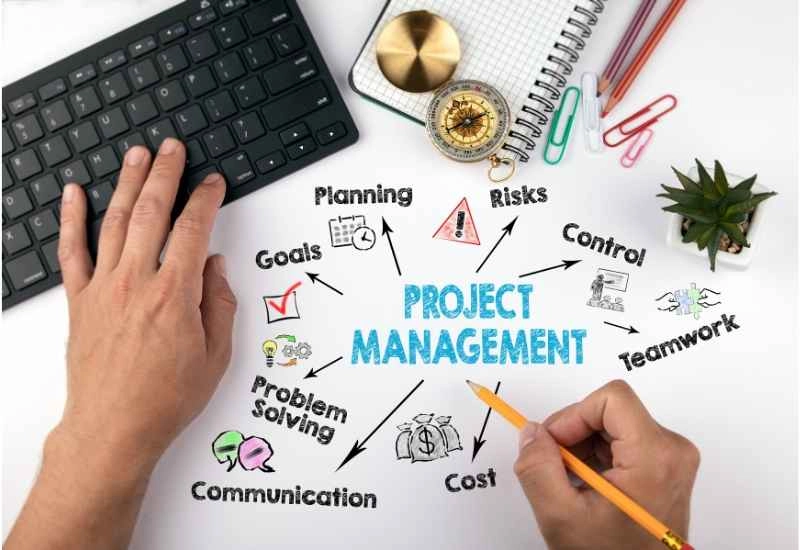
In the contemporary society which is characterized by imperialism and application of knowledge, innovation and creativity while offering services to one’s client, competition between organizations is high thus making it crucial for every professional to be equipped with skills in project management. A lot of organizations now recognize the potential of sponsoring lessons in project management to enhance the competency and the project’s outcome among the staff.

The advantages of enrolling in a project management training course

The advantage of a project management training course london is that it offers a systematic method through which the participants are taken through the different stages of the management of projects. The core areas of project management, techniques, tools, and practices are key components any professional should know, and the course addresses them. These include the identification of effective project management practices and application of the best practices thus translating to enhanced understanding of the management of projects and their inception, planning, controlling, implementation and tracking as well as closing.

These aspects apart from the ones previously listed are very important in identifying and managing expectations as well as ensuring that the communication within the team is fluent and not very detailed. Communication management of a project is a cornerstone of the project management training course as it highlights appropriate and timely communication among the project stakeholders. Participants are trained in the use of tools to foster productive meetings, engage, manage the expectations of stakeholders, and handle conflict situations.

Most project management training courses are inclined towards the identification of several resources necessary for project operations and management as well as towards ascertaining how a similar process could be streamlined or accelerated depending on the project requirements. Students are taught how they can exercise leadership that leads to the motivation of the team members while enhancing the team spirit.

People are given the knowledge of how to describe a project’s parameters, goals, and requirements, as well as what should be achieved to support the business outcomes.  In other words, through the linking of projects to the organizational objectives, the project managers are in a position to present a clear vision and a sound argument in terms of the area of a business where their projects can play a positive role in the overall good of the business organization.

Project Management training to ensure the learning and improvement for any project. Self-directed learning activities are envisioned where project participants may set time aside to contemplate on lessons learned in the project and how the understanding can be used in the other project. The form of culture means that there is always some level of enhancement and advancement in the form of innovation to counter any odds and improve the project results.

Summary

There are immense gains, which employers, employees, teams, and companies will gain on taking and participating in an accredited project management training program. In other words, any organization who wants to train and develop its human resource in project management training is assured of benefits such as increase and desired project efficiency, enhanced customer satisfaction and satisfaction of the requisite segment of the market.

Regional economies have become more integrated, and this is a facet that is impacting African migration. Many citizens are leaving Nigeria and Ghana to pursue life-changing opportunities in foreign nations. There are essential things to prepare for, and taking the International English Language Testing System (IELTS) examination is a good place to start. 

IELTS is an integral test that streamlines your travel abroad, so you shouldn’t take it for granted. That is why this post will explore the IELTS preparation course in Nigeria and Ghana, its key perks, and what it takes to excel at the test. Let’s dive in.  

An Overview of the IELTS Preparation Course: Be in the Know

The IELTS is the world’s most regarded and popular high-leverage English language mastery test. It is recognized by thousands of organizations, including governments, educational institutions, professional associations, and employers. The test is well executed and developed by an international team of professionals and undergoes extensive scrutiny and research.

Experts in the field ensure that the test is unbiased and fair to all candidates. An excellent place to start is to undertake the preparation course that will help you study in an English-speaking setting. The course will offer an opportunity to migrate to an English-speaking country or get a job there. 

The IELTS preparation course takes you through each test section and question type to accomplish your travel needs. In each IELTS test section, you will:

  • Learn what kinds of questions to expect
  • Gather much about the test section format
  • Ascertain much about the number of questions and amount of time you should spend
  • Check out sample questions and appropriate answers
  • Get tips to guide you in improving your band score 

What’s more for you? Get started by enrolling for a preparation course with a reputable training provider. The course follows a structured and up-to-date curriculum covering different IELTS test parts. 

Here are the core sections of the IELTS exam: 

Listening

In this section, you will assess how well you understand ideas, recognize opinions, and follow the progress of an argument. It’s the best opportunity to understand and share ideas with native English and non-native speakers. Further, you will be able to take notes and listen to the projected information. 

Reading

This section evaluates your ability to read general information, main ideas, and details. It will gauge whether you understand the author’s or tutor’s opinions and inferences. 

Writing

During the IELTS exam, you should be able to organize your ideas and write a suitable response. This section evaluates your abilities to use diverse English vocabulary and grammar. You must organize the content of different texts and develop your writing with correct grammar. 

Speaking 

The IELTS speaking helps gauge your spoken English. During the course, you will develop the ability to express ideas, improve pronunciation and fluency, and ask for clarification. The instructors you work with will guide you to the path of triumph in the speaking test and coherent communication. 

Summing Up

Pursuing the IELTS test is one of the most significant decisions you can make today. It presents the best opportunity to seek greener pastures and build great memories abroad. You must enrol and take the IELTS preparation course in Nigeria and Ghana. The course aims to help understand the IELTS test and how it works. It will help you learn to voice opinions and share ideas in English. To achieve this, you must participate in the core parts that make the IELTS exam, including listening, reading, writing, and speaking. Significantly, to succeed in the test, you must understand the course structure and seek the services of experienced instructors from the best training institutions. 

Learning a new language can be challenging, but joining Spanish Immersion Classes makes the experience more enjoyable and effective. Being surrounded by Spanish and learning alongside other students allows you to practice the language in real-life situations, making lessons more interactive and fun. While learning with friends can boost motivation, it’s important to develop proper study habits so that learning remains exciting rather than stressful. Here are four practical tips to help you improve your Spanish skills and get the most out of your classes.

1. Build Connections with Classmates

Making Friends in Class
Interacting with classmates is one of the best ways to improve your Spanish. When you talk to others and share your ideas, you get more practice speaking and listening in real situations. Forming friendships in class gives you motivation to attend lessons because you look forward to fun conversations. Your classmates can also be a helpful support system—they can explain topics, help with homework, and encourage you when you feel stuck.

Practice Conversations Outside of Class
Try to use Spanish with your friends even outside the classroom. Simple activities like discussing your day, sharing hobbies, or planning a group study session in Spanish will reinforce what you learn in class. These small, consistent conversations make a big difference in improving fluency and confidence.

2. Ask Questions and Clarify Doubts

Never Hesitate to Ask Questions
In any language class, it’s normal to encounter lessons that are hard to understand. Don’t keep your questions to yourself—asking for help ensures you fully grasp the lesson. If you miss a key point, it can affect your understanding of future lessons. Make it a habit to clarify anything that confuses you before moving on, whether it’s grammar, vocabulary, or pronunciation.

Seek Guidance from Teachers and Peers
Teachers are there to guide you, and your classmates can also offer explanations in a friendly, supportive way. Asking questions in Spanish, even if you make mistakes, strengthens your speaking skills. The more you ask, the more confident you will become in using the language correctly.

3. Engage in Extra Activities to Boost Your Skills

Participate in Fun Learning Activities
Practicing Spanish outside of class helps improve your speed, accuracy, and understanding. You can try language puzzles, word games, or group brainstorming activities. Even simple exercises like labeling objects in your home with Spanish words or translating short sentences can make learning more interactive.

Incorporate Spanish into Daily Life
Watch Spanish videos, listen to Spanish songs, or read simple books in Spanish. Engaging with the language in different formats strengthens your vocabulary and comprehension skills. The key is consistent practice—small daily activities are more effective than occasional long sessions.

4. Review and Study Independently

Create a Personal Study Routine
One of the most effective ways to get better at Spanish is by studying at home. Most learning happens outside the classroom, so finding a quiet and comfortable place to review your lessons is essential. Go over your notes, textbooks, or online resources daily to reinforce what you learned in class.

Use Learning Tools Effectively
Make flashcards, write short sentences, or keep a vocabulary notebook. Regularly reviewing these materials helps strengthen your memory and prepares you for speaking and writing exercises. Independent study ensures you stay on track, even when class time is limited.

Conclusion: Making the Most of Spanish Immersion Classes

Improving in Spanish Immersion Classes requires a combination of teamwork, curiosity, active practice, and independent study. By building friendships, asking questions, engaging in extra activities, and reviewing at home, you can make learning faster, more enjoyable, and more effective.

Remember, learning a language is a gradual process—consistency is key. With dedication and the right strategies, your confidence in speaking, reading, listening, and writing in Spanish will grow, making your immersion experience both successful and rewarding.

The benefit of self-destructing messages in the context of nuclear arms control is the secure communication between parties. In sensitive negotiations and discussions related to nuclear disarmament, it is crucial to maintain confidentiality and prevent access to information. By utilizing self-destructing online notes or messaging platforms, participants can have conversations without fearing their messages are leaked to third parties.

Promoting transparency

Transparency is critical in building trust and confidence among nations involved in nuclear arms control. Self-destructing messages contribute to this transparency by providing a means for countries to share relevant information about atomic programs and activities. By setting a specific time frame for the messages to disappear, nations demonstrate their willingness to be open and sensitive details are not permanently accessible.

Facilitating verification processes

Verification is a critical component of any nuclear arms control agreement. It involves confirming that parties adhere to the terms and conditions outlined in the contract. Self-destructing messages facilitate verification inspectors or monitoring teams to share their findings and observations securely. The temporary nature of these messages ensures that the information is only accessible for a limited time, reducing the risk of unauthorized dissemination.

Encouraging dialogue and confidence-building measures

Effective nuclear arms control requires ongoing dialogue and implementing confidence-building measures between nations. Self-destructing messages serve as a tool to encourage open and frank discussions among parties. By providing a secure platform for communication, countries substantive exchanges, share concerns, and work towards finding common ground. Ensuring messages are not permanently stored fosters a more conducive environment for productive conversations.

Mitigating the risk of misinterpretation

Online Text Editor & WordPad for Notesmisinterpreting information or intentions has severe consequences. Self-destructing messages mitigate this risk by ensuring that sensitive information is only available for a limited time. This reduces the likelihood of messages being taken out of context or misinterpreted long after they were sent. By minimizing the potential for misunderstandings, self-destructing messages contribute to a more stable and predictable nuclear arms control landscape.

Enhancing crisis management

In the event of a nuclear crisis or escalating tensions, effective communication is paramount. Self-destructing messages are vital in crisis management by allowing parties to exchange time-sensitive information quickly and securely. Setting a short message lifespan ensures that critical details are conveyed promptly while minimizing the risk of unauthorized access or leaks. This is particularly valuable when rapid response and coordination are essential to prevent further escalation.

Supporting arms control negotiations

Arms control negotiations often involve complex and delicate discussions. Self-destructing messages provide a secure channel for negotiators to exchange proposals, draft agreements, and engage in confidential dialogues. Using temporary messaging platforms, negotiators communicate more freely, knowing that their messages will not be permanently stored or used against them. This fosters a more constructive negotiating environment and increases the likelihood of reaching mutually acceptable agreements.

Whistle-blowers play a crucial role in exposing violations of nuclear arms control agreements or alerting authorities to potential risks. Self-destructing messages provide a secure and anonymous means for individuals to report concerns or share evidence of non-compliance. By ensuring that their messages will disappear after a specified time, whistle-blowers feel more confident in coming forward with sensitive information, knowing that their identity and the contents of their messages will be protected.

Iman Gadzhi’s entrepreneurial journey began during his teenage years. Born in Russia and raised in London, Iman displayed a keen interest in business from a young age. He recognized the potential of the digital landscape and embarked on his first venture at the age of 17. With a modest starting capital, Iman launched an online agency focused on helping businesses establish and enhance their online presence.

Overcoming challenges

As with any entrepreneurial endeavour, Iman faced his fair share of challenges. However, his resilience and adaptability helped him to navigate through the obstacles. He quickly learned the importance of networking, building solid relationships, and continuously expanding his knowledge. Iman’s hunger for success propelled him forward, even in the face of setbacks.

Expanding the empire

As IAG Media flourished, Iman Gadzhi’s entrepreneurial spirit led him to explore new avenues. He diversified his portfolio by investing in various sectors, including e-commerce, real estate, and technology. Iman’s keen eye for opportunity and ability to spot potential in emerging markets allowed him to make strategic investments that yielded substantial returns.

Iman gadzhi’s net worth

Iman Gadzhi has amassed an impressive net worth through his numerous successful ventures and investments. While the exact figure remains undisclosed, industry experts estimate his net worth to be millions. Iman’s financial success is a testament to his entrepreneurial acumen, hard work, and relentless pursuit of excellence Linkedin review.

Giving back to the community:

Despite his tremendous success, Iman Gadzhi remains grounded and committed to giving back to the community. He actively participates in philanthropic endeavours, supporting charitable organizations and causes close to his heart. Iman believes in the power of education and mentorship and dedicates time to guiding aspiring entrepreneurs, sharing his knowledge and experiences to help them navigate the challenges of the business world.

Power of mentorship

Iman Gadzhi attributes much of his success to the guidance and mentorship he received throughout his journey. He recognizes the importance of surrounding oneself with experienced individuals who can offer valuable insights and support. Iman actively seeks out mentors and advisors who can help him grow personally and professionally, and he encourages aspiring entrepreneurs to do the same.

Secrets to success

When asked about the secrets to his success, Iman Gadzhi emphasizes the importance of perseverance, adaptability, and continuous learning. He believes embracing failure as a learning opportunity is crucial for growth and development. Iman also stresses the significance of building a solid network, as connections and relationships often open doors to new possibilities.

Entrepreneurial mindset

Iman Gadzhi’s entrepreneurial mindset is a driving force behind his success. He possesses a unique blend of creativity, strategic thinking, and risk-taking ability. Iman is fearless in challenging the status quo and pushing boundaries to pursue his goals. He encourages aspiring entrepreneurs to cultivate a similar mindset, emphasizing the importance of thinking outside the box and embracing innovation.

As Iman Gadzhi continues expanding his entrepreneurial empire, the future looks promising. With his track record of success and his ability to identify lucrative opportunities, there is no doubt that Iman will continue to make waves in the business world. He has his sights set on new ventures and constantly explores innovative ways to disrupt industries and create value.