
Archive

October 16, 2025

Browsing

A career in trucking offers freedom, stability, and excellent earning potential—but it all starts with the right training. Choosing the best trucking school is more than just picking the nearest one; it’s about finding a program that prepares you for real-world driving, licensing exams, and long-term success. Here’s a comprehensive guide to help you choose the right training institution, featuring industry insights inspired by DTR School of Trucking.


1. Verify Accreditation and Licensing

The first step is ensuring the trucking school is properly licensed and accredited by state and federal authorities.

  • Look for approval from organizations such as the FMCSA (Federal Motor Carrier Safety Administration) or your state’s Department of Transportation.
  • Accreditation guarantees that the school follows standardized training, safety, and testing requirements.

Choosing a certified program not only ensures high-quality instruction but also increases your chances of employment with reputable carriers after graduation.


2. Check the Quality of Instructors

A good trucking school is only as strong as its instructors. Seek programs with experienced, certified trainers who have real-world commercial driving experience.

Experienced instructors:

  • Teach beyond textbooks—sharing insights from years on the road.
  • Provide hands-on feedback and one-on-one guidance.
  • Prepare you for both the CDL (Commercial Driver’s License) test and everyday driving challenges.

Ask the school about instructor-to-student ratios; smaller class sizes mean more personal attention and faster learning.


3. Evaluate Training Hours and Curriculum

A high-quality program should combine classroom theory and practical driving experience. Avoid schools that rush the process or promise unrealistically short completion times.

Look for:

  • Classroom training: covering safety regulations, route planning, and logbook management.
  • Behind-the-wheel training: focusing on maneuvering, parking, coupling, and highway driving.
  • Simulation or range practice: helping you gain confidence before driving real rigs.

The FMCSA recommends at least 160 hours of total instruction for entry-level commercial driver training.


4. Inspect the Training Equipment

Outdated or poorly maintained vehicles make learning harder and less safe. Visit the school in person and check the training trucks.

A reputable institution like DTR School of Trucking ensures that students train on modern, well-maintained equipment similar to what they’ll use in professional fleets.

Pay attention to:

  • Transmission types (manual vs. automatic).
  • Truck variety (flatbed, tanker, or trailer).
  • Safety features and cleanliness.

Modern equipment helps students adapt quickly to industry standards.


5. Ask About Job Placement Support

The best trucking schools don’t just train—they help launch careers. Job placement assistance is a major advantage when selecting a program.

Look for schools that offer:

  • Partnerships with national and regional carriers.
  • On-site recruitment events.
  • Resume and interview coaching.
  • Guaranteed job placement or employment referrals.

Graduates from well-connected schools often get hired faster and start at higher pay rates.


6. Compare Tuition, Financing, and Value

Trucking school tuition can vary widely, from a few thousand to over ten thousand dollars, depending on program depth and equipment costs.

Before enrolling, compare:

  • Tuition fees and what they include (exam fees, materials, uniforms, etc.).
  • Financial aid options such as grants, payment plans, or employer-sponsored programs.
  • Refund and retest policies if you fail part of the CDL exam.

Remember—don’t just pick the cheapest school. Focus on long-term value and the quality of instruction.


7. Research Reputation and Reviews

Student reviews reveal a lot about how a trucking school operates. Search online for testimonials and check the school’s job placement rate, graduation rate, and CDL pass percentage.

A reputable institution like DTR School of Trucking typically has consistent positive feedback, professional communication, and transparent information about program outcomes.

Talking to former students or visiting the campus before enrolling provides firsthand insight into the learning environment.


8. Consider Scheduling and Flexibility

Many students balance work or family obligations while training. Choose a school that offers flexible class schedules—such as evening or weekend programs.

Ask about:

  • Part-time vs. full-time options.
  • Self-paced or accelerated courses.
  • Weather-related training adjustments (especially for hands-on driving).

A program that adapts to your lifestyle increases your chances of success and completion.


Final Thoughts

Choosing the right trucking school is the foundation of your driving career. Look for accreditation, skilled instructors, comprehensive training, and post-graduation job support.
You Need to Know

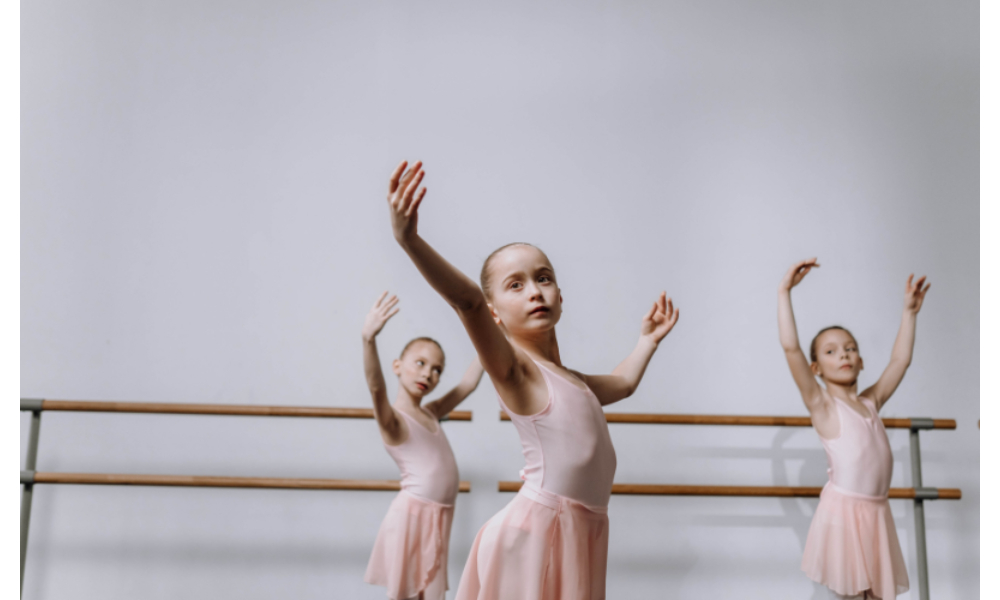
Ballet training is renowned for its strength, endurance, and accuracy. The systematic movements used in a ballet dancer’s practice improve flexibility, balance, and general physical fitness. Regardless of your experience level, knowing the essential dance routines will help you get ready for training. Understanding these exercises can also help you perform better and avoid injuries if you intend to enrol in a ballet class in Singapore.

Barre Work: Foundation of Strength and Stability

Barre exercises form the foundation of any ballet workout. These movements help build strength, stability, and muscle control. Common barre exercises include:

  • Plies – A fundamental movement where dancers bend their knees while maintaining proper posture. It enhances leg strength and improves flexibility.
  • Tendus – This move involves extending the foot along the floor and pointing the toes. It improves foot articulation and coordination.
  • Rond de Jambe – A circular leg movement that enhances hip mobility and control.
  • Frappes – A quick striking motion of the foot against the floor to build ankle strength and speed.
  • Grand Battements – High leg kicks that develop flexibility and dynamic strength.

Barre work is essential for building technique and muscle endurance. These exercises prepare dancers for more complex movements performed in the centre of the studio.

Centre Work: Enhancing Coordination and Balance

After the barre routine, dancers move to the centre for exercises that focus on balance, posture, and coordination. Some of the key centre movements include:

  • Adagio – A slow and controlled series of movements that test balance and strength.
  • Pirouettes – A spinning movement requiring precise coordination and core control.
  • Petit Allegro – Small, fast jumps that develop agility and footwork.
  • Grand Allegro – Large jumps and leaps that demand explosive power and endurance.

Centre work challenges dancers to maintain stability without the support of the barre. It strengthens core muscles, improves spatial awareness, and refines movement control.

Jumps and Leaps: Building Power and Agility

Jumps and leaps are a critical part of any ballet dancer workout. They require lower-body strength, proper alignment, and explosive energy. Some of the main jump exercises include:

  • Sautés – Basic jumps where dancers push off the floor and land softly with bent knees.
  • Jetés – A leap from one foot to the other, commonly seen in dynamic choreography.
  • Assemblés – A movement where both legs come together mid-air before landing.
  • Sissonne – A jump that begins with both feet and lands on one foot, testing balance and strength.

Jump training helps dancers develop endurance, cardiovascular fitness, and overall body coordination. Regular practice is necessary to execute these movements with control and precision.

ALSO READ: 5 Unspoken Rules of Ballet Class

Floor Exercises: Strength and Flexibility Conditioning

Ballet training includes floor exercises that target strength and flexibility. These exercises help dancers maintain a strong and injury-free body. Common conditioning moves include:

  • Core Workouts – Sit-ups, planks, and leg raises to build abdominal strength for better balance.
  • Flexibility Drills – Splits, hamstring stretches, and backbends to improve range of motion.
  • Resistance Training – Bodyweight exercises like lunges and squats to enhance leg power.

Strength and flexibility are essential for ballet performance. Dancers may struggle with demanding choreography and increased injury risks without a solid foundation.

Cool-Down and Recovery: Preventing Injuries

After an intense ballet workout, cool-down exercises help the body recover. Stretching is a key part of this phase, preventing muscle tightness and improving flexibility. Some efficient cool-down exercises include:

  • Gentle Stretches – Holding stretches for the hamstrings, calves, and back to release tension.
  • Breathing Exercises – Controlled breathing to relax the nervous system and lower heart rate.
  • Foam Rolling – Using a foam roller to massage tight muscles and enhance recovery.

Proper recovery ensures dancers maintain performance levels and avoid long-term injuries. Ballet places high physical demands on the body, making post-workout care essential.

Conclusion

A ballet workout involves structured movements that build strength, flexibility, and endurance. Jumps increase agility, centre work improves coordination, and barre movements build foundational technique. Maintaining optimal performance then requires both strength training and recovery regimens. Getting ready for these common ballet moves will help you adjust to the level of training, particularly if you’re taking a ballet class in Singapore. Remember, ballet technical mastery requires consistent practice and appropriate conditioning.