

Tag

chinese tuition

Browsing

 Secondary school students in Singapore often find themselves under pressure—balancing science, math, literature, and the demanding world of secondary Chinese. While the subject might feel like just another academic hurdle, Chinese tuition for secondary school is beginning to reshape how teens perceive and perform in Mother Tongue. No longer mere exam drills, these classes offer surprising intellectual and personal transformation. This article digs into the world of Chinese tuition, revealing secrets, confronting ethical questions, guiding beginners, and dispelling misconceptions.

Why Some Tuition Works Better

Behind every successful tutoring session lies a handful of techniques that stay hidden from casual observers. At top-tier Chinese tuition for secondary, teachers often introduce exam contexts early, then reverse-engineer the learning process, starting from answers and working backwards through thought processes. This makes students internalise exam patterns as opposed to merely memorising content.

Another “secret” is weaving cultural context into lessons. By linking essays or comprehension passages to relevant cultural stories and idioms, tutors help students connect emotionally to the language. This leads to improved retention and fluency.

When Tuition Crosses the Line

The rise of Chinese tuition has sparked some important ethical questions. One common concern is over-reliance: students attending multiple tuition centres might experience burnout, sacrificing sleep or extracurricular engagement. While academic resilience is valuable, finding the right tuition load is essential to maintaining wellness.

Another grey area is equity. High-quality tuition can cost hundreds per month, effectively creating an achievement gap between students who can afford it and those who cannot. Some educators argue for subsidised community tuition initiatives or shared peer sessions to reduce disparity and promote fairness in secondary Chinese outcomes.

Choosing the Right Secondary Chinese Tuition

Choosing a Chinese tuition for secondary isn’t a one-size-fits-all decision. First, outline your child’s needs: Are they weak in writing, oral skills, or comprehension? Search for centres that specialise in those areas. For context-aligned practice, look for educators with MOE or examination board experience. These tutors know the structure of essays, marking rubrics, and common pitfalls.

Location and group size also matter. Tuition in residential areas like Marine Parade or East Coast can reduce stress on students and provide consistency. Equally, choosing smaller class sizes allows for personalised feedback that large sessions can’t replicate.

Finally, check the centre’s progress tracking system. Frequent quizzes, writing samples, and oral recordings are key for measuring improvement in secondary Chinese.

Busting Myths About Chinese Tuition

One widespread misconception is that tuition guarantees top grades. However, success still depends on the student’s attitude and practice. Tutors in reputable Chinese tuition centres emphasise that effort outside class is essential for gains to stick.

Another myth is that tuition replaces school learning. Tutors often stress that tuition supplements rather than supplants the national curriculum. Effective secondary Chinese tuition teams aim to integrate lessons with school assignments, building confidence, not competition.

Finally, some parents worry that tuition will eliminate cultural richness from lessons, reducing language to technicality. Yet, as mentioned, many centres embed historical narratives and idioms, helping students appreciate the texture and tradition of the language, not just exam fluency.

Starting Chinese Tuition with Confidence

If this is your child’s first experience with Chinese tuition for secondary, start slow. Begin with a trial session or two. This allows both tutor and student to assess compatibility. Students should be encouraged to reflect on goals: do they struggle with essay structure, oral fluency, or exam anxiety?

Set realistic expectations. Improvement takes time; even a slight increase in continuous writing scores after a month is noteworthy progress. Scheduling is also important. Consider tuition once or twice a week to allow for consolidation without overloading.

Parents should look out for open communication practices like regular updates or parent-teacher meetings, which help support learning at home. A clear, four-month plan aligned with exam dates can help focus motivation, though adjustments are usually necessary.

Tuition That Resonates Beyond Grades

Chinese tuition for secondary and the broader Chinese tuition ecosystem can bring out the best in students if approached thoughtfully. Students who embrace well-structured secondary Chinese tuition don’t just learn to score. They learn to think, speak, and connect. And for those beginning the journey, a strategic, values-aligned approach is key. If you’re exploring tuition options, consider not just what your child can score, but who they can become with better support.

Head on and enquire at Hua Language Centre today to learn more.
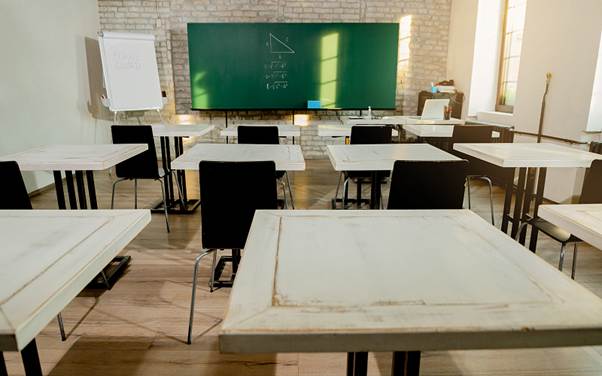
When parents search for a tuition centre in Singapore, Chinese tuition is often among their top priorities. While the primary goal may be to help children master the language, many are discovering that the benefits extend well beyond vocabulary, grammar, and composition. A well-structured Chinese tuition programme offers students not just academic improvement but also cultural literacy, mental discipline, and stronger communication skills that serve them in wider contexts.

1. Reinforcing Cultural Identity and Appreciation

For many families, Chinese tuition helps children reconnect with their cultural roots. Beyond textbook Mandarin, students are introduced to idioms, traditions, and stories that offer insight into Chinese history and values. Whether through reading folktales or learning about major festivals, students develop a broader understanding of their heritage. Even for those from non-Chinese-speaking backgrounds, cultural exposure builds empathy and cross-cultural awareness in an increasingly globalised society.

2. Strengthening Logical Thinking Through Language Structure

Chinese is a language rich in nuance and structure. From constructing complex sentences to understanding how characters combine, students must apply logic and pattern recognition—skills that extend to other subjects like maths and science. A tuition centre in Singapore that delivers Chinese tuition with a focus on comprehension and reasoning helps learners improve cognitive flexibility. The discipline of interpreting sentence structure or analysing a comprehension passage sharpens their analytical mindset.

3. Building Confidence in Public Speaking and Expression

Language learning is not limited to reading and writing. Effective Chinese tuition includes components that encourage oral communication. Students are guided to speak clearly, present their thoughts, and engage in discussions. This builds confidence in public speaking, which is particularly valuable during oral exams and school presentations. As they become more articulate, students gain the confidence to express themselves not just in Mandarin, but in any language.

4. Enhancing Discipline Through Memorisation and Practice

Unlike phonetic languages, Chinese requires memorisation of characters and their proper usage. This process instils a sense of discipline and persistence. Repeated writing practice, listening comprehension drills, and vocabulary reviews demand consistency. A good tuition centre in Singapore uses this structure not to overwhelm students but to help them develop effective study habits. These habits can benefit their approach to other academic tasks and beyond.

5. Improving Performance in National Examinations

It’s no secret that Chinese tuition can provide a measurable boost in examination results. From Primary School Leaving Examinations (PSLE) to O- and A-Levels, consistent support from experienced tutors makes a notable difference. Students learn to interpret questions accurately, manage their time, and apply answering techniques tailored to the local syllabus. But more than simply drilling past papers, high-quality tuition centres focus on building the core language proficiency needed for long-term improvement.

6. Developing Patience and Emotional Resilience

For many students, Chinese is not their strongest subject. Struggling with a challenging subject builds resilience when supported by an encouraging tutor. Over time, they learn to face difficulties without giving up. A tuition centre in Singapore that understands this emotional aspect often becomes a place where students feel safe to learn at their own pace. This emotional growth is just as critical as academic gains and lays the foundation for stronger character development.

7. Encouraging Parental Involvement in Learning

Chinese tuition doesn’t stop at the centre. Many programmes actively engage parents through progress updates, learning tips, or simple tasks that can be reinforced at home. This encourages a more collaborative approach to learning. When parents understand how their child is progressing, they can provide better support and motivation. The result is a stronger home-school partnership that enhances the child’s learning environment.

8. Preparing Students for a Bilingual Future

Singapore’s bilingual policy places strong emphasis on mastering both English and Mother Tongue languages. Chinese tuition supports this by ensuring students are not left behind in either language. As students move into higher education or join the workforce, being able to communicate effectively in Chinese opens up opportunities in business, government, and international relations. A tuition centre in Singapore that focuses on long-term proficiency prepares students to navigate this bilingual future with confidence.

Conclusion

Chinese tuition in Singapore offers far more than language drills. It fosters cultural understanding, emotional resilience, public speaking confidence, and long-term academic success. Whether your child needs a boost in grades or a broader appreciation for their heritage, the right tuition programme can make a lasting impact on their growth.

Contact Simply Education to explore a tuition centre in Singapore that offers Chinese tuition designed for lifelong value.