
Author

Caesar McClure

Browsing

What is the Average Salary After a Hotel Management Course in Delhi?

Nowadays, hotel management has become a popular career option, especially in a vibrant city like Delhi where the tourism and hospitality industries are booming. If you are wondering what is the average salary after completing a hotel management course, it depends on the course level, reputation of the institute and your skills.

Generally, graduates in Delhi start at around INR 2.5 lakh to 5.5 lakh per annum, which can increase to INR 10 lakh or more with experience. Students of reputed institutes like The Hotel School, best hotel management institute in Delhi often get higher packages as their curriculum focuses on practical training and industry exposure, which gives an edge in the job market.

This salary varies across front office, housekeeping, or food & beverage roles – starting from INR 20,000-35,000 monthly at the entry-level, and reaching up to INR 45,000-80,000 at the mid-level. In 2025, these figures are expected to improve further with industry growth, especially with the demand from sustainable tourism and luxury hotels. So, if you are passionate about hospitality, this field offers not only money but exciting experiences too!

How Much Starting Salary Does a Hotel Management Fresher Get in Delhi?

It is thrilling for freshers to enter the world of hotel management in Delhi, but it is important to have realistic expectations when talking about salary. A typical fresher gets a starting salary of INR 15,000 to 25,000 per month, which can be slightly less for diploma holders and more for bachelor’s degree holders.

In a competitive market like Delhi, INR 20,000-35,000 monthly is common for management trainee roles in 5-star chains, especially if you have experience of internships. Fresh graduates from The Hotel School, best hotel management institute in Delhi often get better deals, as their 100% placement assistance and strong industry ties open them positions in top hotels like Taj or ITC, where starting pay can go above INR 25,000.

Looking at the trends for 2025, a 10-15% increase in fresher salary is expected, thanks to tourism recovery and new hotel openings. This is the beginning – with hard work this can quickly double, and perks like free meals or accommodation are add-ons that make life easy.

How Much Career Growth and Promotion Happens After Working in a 5-Star Hotel?

Getting a job in a 5-star hotel is not just about salary but is a golden ticket for rapid career growth. In India, especially in luxury hotels in Delhi, hotel management graduates get promotions within 2-3 years – from entry-level to department manager.

What is the growth? Well, starting as a trainee, you can become an operations manager or even a general manager in 5-7 years, with salary increasing by 20-50% annually and reaching INR 6-15 lakh. Alumni of The Hotel School, best hotel management institute in Delhi often achieve this growth, as their training program lays emphasis on leadership skills and international standards, which unlocks fast-track promotions in 5-star chains.

In 2025, hospitality trends like tech integration and sustainable practices are opening up new roles, like event planners or spa managers, where promotions come with global transfers. This field is dynamic – if you’re dedicated, the sky’s the limit, and job security is also top-notch with 11% industry growth projected.

What is the Salary Package for International Placement in Hotel Management?

It is right to dream of international placements in hotel management as it not only offers adventure but hefty salary packages too. Entry-level packages abroad for Indian graduates start from INR 16-25 lakh per annum, which can go up to INR 33-58 lakh at the mid-level and up to INR 1.2 crore in senior roles in countries like Switzerland, UAE, or the USA.

Hotel managers in Switzerland earn an average of USD 94,000 (about INR 78 lakh) but have to adjust to the cost of living. Institutes like The Hotel School, best hotel management institute in Delhi are strong in international placements; their students get opportunities in luxury chains where packages go up to INR 24.5 lakh, thanks to global partnerships and skill-building programs.

In 2025, post-pandemic recovery is driving demand for cruise ships and resorts, where language skills and certifications are a bonus. These packages double as domestic ones, and perks like visa support or relocation allowances make life luxurious – if you’re ready to explore the world!

With the right training from The Hotel School, best hotel management institute in Delhi, students can achieve not just high-paying jobs but also a successful career in India and abroad.

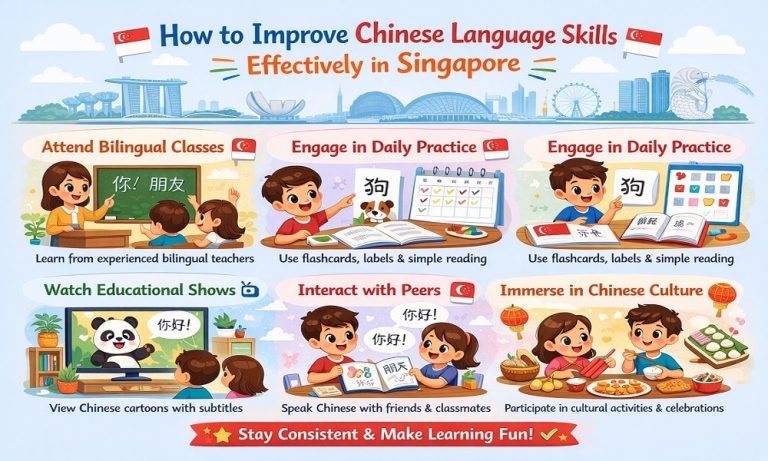
 Secondary school students in Singapore often find themselves under pressure—balancing science, math, literature, and the demanding world of secondary Chinese. While the subject might feel like just another academic hurdle, Chinese tuition for secondary school is beginning to reshape how teens perceive and perform in Mother Tongue. No longer mere exam drills, these classes offer surprising intellectual and personal transformation. This article digs into the world of Chinese tuition, revealing secrets, confronting ethical questions, guiding beginners, and dispelling misconceptions.

Why Some Tuition Works Better

Behind every successful tutoring session lies a handful of techniques that stay hidden from casual observers. At top-tier Chinese tuition for secondary, teachers often introduce exam contexts early, then reverse-engineer the learning process, starting from answers and working backwards through thought processes. This makes students internalise exam patterns as opposed to merely memorising content.

Another “secret” is weaving cultural context into lessons. By linking essays or comprehension passages to relevant cultural stories and idioms, tutors help students connect emotionally to the language. This leads to improved retention and fluency.

When Tuition Crosses the Line

The rise of Chinese tuition has sparked some important ethical questions. One common concern is over-reliance: students attending multiple tuition centres might experience burnout, sacrificing sleep or extracurricular engagement. While academic resilience is valuable, finding the right tuition load is essential to maintaining wellness.

Another grey area is equity. High-quality tuition can cost hundreds per month, effectively creating an achievement gap between students who can afford it and those who cannot. Some educators argue for subsidised community tuition initiatives or shared peer sessions to reduce disparity and promote fairness in secondary Chinese outcomes.

Choosing the Right Secondary Chinese Tuition

Choosing a Chinese tuition for secondary isn’t a one-size-fits-all decision. First, outline your child’s needs: Are they weak in writing, oral skills, or comprehension? Search for centres that specialise in those areas. For context-aligned practice, look for educators with MOE or examination board experience. These tutors know the structure of essays, marking rubrics, and common pitfalls.

Location and group size also matter. Tuition in residential areas like Marine Parade or East Coast can reduce stress on students and provide consistency. Equally, choosing smaller class sizes allows for personalised feedback that large sessions can’t replicate.

Finally, check the centre’s progress tracking system. Frequent quizzes, writing samples, and oral recordings are key for measuring improvement in secondary Chinese.

Busting Myths About Chinese Tuition

One widespread misconception is that tuition guarantees top grades. However, success still depends on the student’s attitude and practice. Tutors in reputable Chinese tuition centres emphasise that effort outside class is essential for gains to stick.

Another myth is that tuition replaces school learning. Tutors often stress that tuition supplements rather than supplants the national curriculum. Effective secondary Chinese tuition teams aim to integrate lessons with school assignments, building confidence, not competition.

Finally, some parents worry that tuition will eliminate cultural richness from lessons, reducing language to technicality. Yet, as mentioned, many centres embed historical narratives and idioms, helping students appreciate the texture and tradition of the language, not just exam fluency.

Starting Chinese Tuition with Confidence

If this is your child’s first experience with Chinese tuition for secondary, start slow. Begin with a trial session or two. This allows both tutor and student to assess compatibility. Students should be encouraged to reflect on goals: do they struggle with essay structure, oral fluency, or exam anxiety?

Set realistic expectations. Improvement takes time; even a slight increase in continuous writing scores after a month is noteworthy progress. Scheduling is also important. Consider tuition once or twice a week to allow for consolidation without overloading.

Parents should look out for open communication practices like regular updates or parent-teacher meetings, which help support learning at home. A clear, four-month plan aligned with exam dates can help focus motivation, though adjustments are usually necessary.

Tuition That Resonates Beyond Grades

Chinese tuition for secondary and the broader Chinese tuition ecosystem can bring out the best in students if approached thoughtfully. Students who embrace well-structured secondary Chinese tuition don’t just learn to score. They learn to think, speak, and connect. And for those beginning the journey, a strategic, values-aligned approach is key. If you’re exploring tuition options, consider not just what your child can score, but who they can become with better support.

Head on and enquire at Hua Language Centre today to learn more.

A student’s ability to write academically is a fundamental skill that they develop throughout their educational journeys. From high school to graduate studies, essays remain a primary method for evaluating understanding and critical thinking abilities. Nevertheless, many students struggle with common pitfalls that significantly impact their grades.

Foundation of quality academic writing

The writing process begins long before the first word appears on the page. Proper planning involves understanding the assignment requirements, researching thoroughly, and organizing your thoughts coherently. Many students rush this crucial stage, resulting in unfocused essays that fail to address the core questions. Planning should include creating an outline that maps the logical flow of your arguments. This framework serves as a roadmap that keeps your writing focused and purposeful.

Structural weaknesses in essay development

The structure of your essay significantly impacts its effectiveness. A well-structured essay guides readers through your thinking process, while a poorly organized one creates confusion. Common structural problems include:

  • Weak thesis statements that lack clarity or specificity
  • Introduction paragraphs that fail to engage readers or set expectations
  • Body paragraphs without clear topic sentences or logical connections
  • Conclusion sections that merely restate rather than synthesize

An essay writing service can help address these structural issues. Professional writers understand how to craft compelling introductions that hook readers, develop cohesive body paragraphs, and create conclusions that leave lasting impressions.

Language and stylistic considerations

Academic writing requires precision in language and adherence to stylistic conventions. Students often struggle with finding the right balance between formal academic tone and accessible writing. The best essay writing service in usa specializes in maintaining this delicate balance creating work that demonstrates scholarly sophistication without becoming unnecessarily complex or jargon-heavy. Common language mistakes include overuse of passive voice, inappropriate colloquialisms, and wordiness that obscures meaning.

Revision and editing oversights

The most consequential mistake is inadequate revision. Many students submit first drafts or make only superficial edits before submission. Thorough revision requires:

  • Setting aside time between writing and revising
  • Reading aloud to catch awkward phrasing or logical gaps
  • Checking for consistency in argument and evidence
  • Verifying proper citation and formatting

The best essay writing service in usa employs professional editors who understand the importance of this stage. They recognize that strong writing emerges through careful revision, not just initial inspiration.

Critical thinking and analysis shortcomings

Academic essays should demonstrate critical engagement with ideas, not just information reporting. Students frequently make these analytical mistakes:

  • Presenting facts without interpretation or significance
  • Making claims without sufficient supporting evidence
  • Failing to consider alternative perspectives or counterarguments
  • Oversimplifying complex issues or making sweeping generalizations

Strong academic writing requires nuanced thinking and careful qualification of claims. It acknowledges complexity and engages meaningfully with scholarly conversations.

Technological tools and resources

Today’s students have unprecedented access to writing assistance technologies yet often fail to use them effectively. Grammar checkers, plagiarism detection software, and research databases can improve writing quality when used appropriately. However, these tools cannot replace critical thinking or disciplinary knowledge.

The students benefit from learning proper database search techniques and citation management software usage. By addressing these challenges methodically and seeking appropriate guidance when needed, students can significantly improve their academic writing outcomes and develop transferable skills they will use throughout their educational and professional lives.

Introduction

In the rapidly evolving marketing world, staying ahead of consumer trends and behaviours is challenging. The emergence of data science has transformed the way businesses approach marketing strategies, with predictive analytics taking centre stage in driving results. Predictive analytics, a subset of data science, uses historical data, machine learning, and statistical techniques to forecast future outcomes. When applied effectively, it can significantly enhance return on investment (ROI) in marketing campaigns by enabling informed decision-making and resource optimisation. For professionals looking to master these techniques, enrolling in a Data Scientist Course is a crucial step.

The Role of Data Science in Marketing

Data Science

Data science has revolutionised marketing by enabling businesses to make data-driven decisions. The ability to process vast amounts of data provides insights into customer preferences, behaviour, and purchase patterns. These insights empower marketers to create personalised campaigns, target the right audience, and optimise their marketing spend. Predictive analytics, in particular, is a powerful tool within data science, allowing marketers to anticipate customer needs and behaviours with remarkable accuracy. In today’s competitive business landscape, marketing strategists need to evolve novel strategies for driving businesses and sustaining success. Personalised marketing is key to retaining customer base and preventing customer churn.  Aspiring marketers must understand the  nuances of  these concepts by taking advanced technical courses. A comprehensive data course such as a Data Science Course in Pune, for instance, specifically tailored for imparting expertise in data-driven business strategies will prove to be an asset for business professionals.

Understanding Predictive Analytics

Predictive analytics involves analysing historical data to predict future events. It leverages machine learning algorithms, regression analysis, and time-series forecasting techniques to uncover patterns and trends. In marketing, these insights help businesses predict customer actions, such as the likelihood of purchase, churn rates, and product preferences. By understanding these probabilities, marketers can design more effective campaigns and allocate resources strategically. A structured Data Scientist Course can equip professionals with the skills to apply predictive analytics in their marketing efforts effectively.

Enhancing ROI with Predictive Analytics

Here are some areas where judicious use of predictive analytics can help businesses improve ROI substantially. 

  • Personalised Marketing Campaigns: Predictive analytics enables marketers to create highly customised campaigns tailored to individual customer preferences. By analysing past interactions and purchase history, businesses can predict what products or services customers will most likely be interested in. This level of personalisation not only enhances customer experience but also increases the likelihood of conversions, thereby improving ROI.
  • Optimised Advertising Budget: One of the significant challenges in marketing is ensuring that advertising budgets are used efficiently. Predictive analytics helps identify which channels and campaigns yield the highest returns. By allocating resources to high-performing strategies and discontinuing underperforming ones, businesses can maximise the impact of their advertising spend. Business professionals trained in predictive analytics through a specialised Data Science Course in Pune, Mumbai, Chennai, and such cities reputed for technical learning can help organisations achieve these goals.
  • Improved Customer Retention: Retaining existing customers is more cost-effective than acquiring new ones. Predictive analytics can identify customers at risk of churn by analysing engagement levels and purchase frequency. With this information, businesses can implement targeted retention strategies, such as personalised offers or loyalty programs, to re-engage these customers and improve ROI.
  • Demand Forecasting: Understanding future demand is crucial for effective inventory management and marketing planning. Predictive analytics provides businesses with accurate demand forecasts, allowing them to adjust production levels, manage inventory, and plan promotional activities accordingly. This reduces wastage and ensures that companies can meet customer demand effectively.
  • Enhancing Customer Lifetime Value (CLV): Predictive analytics helps companies identify high-value customers likely to generate significant revenue over time. Businesses can enhance lifetime value and achieve higher ROI by focusing marketing efforts on these customers. Additionally, predictive models can suggest cross-selling and upselling opportunities, further boosting revenue.

Real-World Applications of Predictive Analytics in Marketing

Following are some key domains where predictive analytics can be successfully applied for overall improvement of ROI.

  • E-commerce: In the e-commerce sector, predictive analytics is widely used to recommend products to customers based on their browsing and purchase history. These recommendations drive sales and increase average order value, contributing to higher ROI.
  • Retail: Retailers use predictive analytics to optimise pricing strategies and determine the best times to run promotions. They can set competitive prices and attract more customers by analysing customer behaviour and market trends.
  • Telecommunications: Predictive analytics helps telecom companies reduce churn rates by identifying customers who are likely to switch to competitors. These companies can maintain their customer base and improve profitability by offering tailored retention deals.
  • Travel and Hospitality: Predictive analytics enables travel companies to anticipate customer preferences and provide personalised travel packages. It also helps in demand forecasting, ensuring optimal pricing and availability of services.

Challenges in Implementing Predictive Analytics

While the benefits of predictive analytics are clear, implementing it effectively comes with challenges. Businesses often face data collection and integration difficulties, as data may be scattered across various platforms. Ensuring data quality and accuracy is another critical factor, as poor data can lead to flawed predictions. Additionally, the complexity of predictive models and the need for skilled data scientists can pose hurdles for businesses with limited resources. For those looking to overcome these challenges, a Data Scientist Course provides the necessary training to navigate these complexities and deliver actionable insights.

Future of Predictive Analytics in Marketing

As technology continues to advance, the scope of predictive analytics in marketing is set to expand. Integrating artificial intelligence (AI) and real-time data analysis will enable even more accurate predictions and faster decision-making. Moreover, as consumers increasingly demand personalised experiences, predictive analytics will play a crucial role in meeting these expectations while maximising ROI.

Conclusion

Data science, specifically predictive analytics, has become an indispensable tool in modern marketing. By enabling businesses to anticipate customer needs, optimise resource allocation, and create personalised experiences, it drives significant improvements in ROI. For professionals aiming to contribute to this transformative field, enrolling in a Data Scientist Course is an excellent way to build expertise and stay ahead in the competitive marketing landscape. While challenges remain, the potential of predictive analytics to transform marketing strategies is undeniable. As businesses continue to harness its power, they can look forward to more efficient, effective, and profitable marketing campaigns.

Business Name: ExcelR – Data Science, Data Analytics Course Training in Pune

Address: 101 A ,1st Floor, Siddh Icon, Baner Rd, opposite Lane To Royal Enfield Showroom, beside Asian Box Restaurant, Baner, Pune, Maharashtra 411045

Phone Number: 098809 13504

Email Id: enquiry@excelr.com

The decision to choose a preschool is one of the biggest decisions you will make as a mother or father. The right preschool will not only provide a nurturing and safe environment, but it will also lay the foundation for both your child’s social and educational development. It’s normal to feel overwhelmed by the many choices available. This guide will take you through the steps necessary to choose the best preschool for your kid.

1. Decide Your Priorities

Consider: What is most important to you and your kid? Consider:

  • The preschool’s location is important. Is it close to your home or workplace?
  • Schedule: Is the school part-time or full-time?
  • Education Philosophy: Do you want a program that is play-based or Montessori-based?
  • The ratio of class size to teacher: A smaller class size means more attention for your child.
  • Ask about any additional fees and make sure the cost of tuition is within your budget.

Prioritizing your choices will allow you to narrow them down.

2. Make a list of the things you want to do and then research them

Begin by collecting information about the preschools in your locality. You can:

  • You can also ask for suggestions from other parents, friends and family members.
  • Find local preschools online and read reviews.
  • You can also check local parenting groups or community bulletin boards.

List all schools that fit your criteria.

3. Visit the Schools

Schedule visits to preschools once you have compiled your list. You will gain a deeper understanding of the school by observing it first-hand. Pay attention to the following during your visit:

  • Are the schools clean and maintained well? Are there safety measures?
  • Classroom Environment: Is the classroom inviting, organized and equipped with age appropriate materials?
  • Interaction between teacher and child: Watch how the teachers interact with children. Are they patient and attentive?
  • Play Spaces: Make sure that the indoor and outdoor areas are well-maintained and safe.

4. Ask Questions

Prepare a list with questions you want to ask. Here are a few important ones:

  • What is the educational philosophy of your school?
  • What is your daily schedule?
  • What are the qualifications and training of teachers?
  • How does your school deal with discipline and conflict resolution in the classroom?
  • What safety measures are there in place?
  • How does the school communicate to parents?
  • Do parents need to bring their own food or are meals and snacks provided?

Answering these questions clearly will help you to make an informed choice.

5. Consider the Curriculum

Different preschools have different approaches to the early childhood education. Here are some common ones:

  • Play-Based learning: This type of education focuses on the development of creativity and social skills through play.
  • Montessori: Promotes independence, hands on learning, and individual instruction.
  • Academic-Focused programs: Prepares children to kindergarten through structured activities, early literacy and math skills.
  • Reggio Emilia: Focuses on collaborative learning and exploration.

Select a curriculum that is aligned with your child’s needs and educational goals.

6. Assessing Teacher Qualifications

Teachers are crucial to your child’s experience in preschool. What to look for

  • Early childhood education degrees or certifications.
  • Experience working with young Children
  • Warm and friendly demeanor.
  • Continuous professional development and ongoing training.

Teachers who are qualified create an environment that is positive and stimulating for growth and learning.

7. Check out the school’s policies

Check the policies of the school to make sure they match your expectations. Consider the following policies:

  • Attendance and drop off/pick up procedures.
  • Health and illness protocols
  • Behavior management strategies
  • Parent involvement opportunities.

Understanding the policies of the school will help you decide if it is a good match for your family.

8. Observe Children

Take note, during your visit, of the way the children interact both with one another and the staff. Children who are happy and engaged can be a good indication of a positive atmosphere. What to look for

  • Participation in active activities.
  • Interactions that are friendly and respectful.
  • Safety and comfort are important.

9. You should trust your instincts

Trusting your gut is just as important as doing research and observing. It’s a good sign if a school feels comfortable and your child is happy during the visit.

10. Consider Your Child’s Needs

Consider that every child is different, and you should consider their needs. Consider:

  • Temperament: Does your child’s personality fit the environment of school?
  • Are you ready to introduce your child to structured group activities and social interactions?
  • Special Needs: Make sure the school is able to provide support for your child if they have specific needs.

11. Check references

You can also ask for testimonials from parents. Speak to current or former families for valuable insight into the preschool.

12. Take a decision

Take time to consider your options after you have completed your research and visited schools. Compare schools on your shortlist based on the feedback you have received, your observations and your priorities. Choose the preschool which best suits your child’s requirements and is in line with your family values.

13. Prepare for the transition

After choosing a preschool for your child, you can help them transition easily:

  • Before the first day, visit the school with your child.
  • Discuss what your child can expect and any concerns they may have.
  • To ease the transition, establish a routine that is consistent.

It is important to choose the best preschool for your child. This involves research, observation and intuition. Understanding your child’s early learning needs, asking the correct questions and evaluating all your options will help you find a preschool which provides a nurturing environment.

This article was written by an expert at Baby Fox Academy of Florida. Baby Fox Academy, Vpk Sarasota is the premier early childhood education provider, combining structured learning and play. Baby Fox Academy is owned and operated by Laurie McCracken and Matt McCracken. Laurie has over 25 years experience in the early childhood field. Our play-based program supports each child’s development by balancing activities indoors and outdoors that develop fine motor skills, language, creativity and independence. Children develop important skills through engaging tools such as puzzles, drama play, and art. WatchMeGrow allows parents to check-in at any time via “Trail Cams”, giving them peace of mind as their children play, learn and grow. Baby Fox Academy is a nurturing learning environment that will inspire your child to love learning for life.

In the contemporary society which is characterized by imperialism and application of knowledge, innovation and creativity while offering services to one’s client, competition between organizations is high thus making it crucial for every professional to be equipped with skills in project management. A lot of organizations now recognize the potential of sponsoring lessons in project management to enhance the competency and the project’s outcome among the staff.

The advantages of enrolling in a project management training course

The advantage of a project management training course london is that it offers a systematic method through which the participants are taken through the different stages of the management of projects. The core areas of project management, techniques, tools, and practices are key components any professional should know, and the course addresses them. These include the identification of effective project management practices and application of the best practices thus translating to enhanced understanding of the management of projects and their inception, planning, controlling, implementation and tracking as well as closing.

These aspects apart from the ones previously listed are very important in identifying and managing expectations as well as ensuring that the communication within the team is fluent and not very detailed. Communication management of a project is a cornerstone of the project management training course as it highlights appropriate and timely communication among the project stakeholders. Participants are trained in the use of tools to foster productive meetings, engage, manage the expectations of stakeholders, and handle conflict situations.

Most project management training courses are inclined towards the identification of several resources necessary for project operations and management as well as towards ascertaining how a similar process could be streamlined or accelerated depending on the project requirements. Students are taught how they can exercise leadership that leads to the motivation of the team members while enhancing the team spirit.

People are given the knowledge of how to describe a project’s parameters, goals, and requirements, as well as what should be achieved to support the business outcomes.  In other words, through the linking of projects to the organizational objectives, the project managers are in a position to present a clear vision and a sound argument in terms of the area of a business where their projects can play a positive role in the overall good of the business organization.

Project Management training to ensure the learning and improvement for any project. Self-directed learning activities are envisioned where project participants may set time aside to contemplate on lessons learned in the project and how the understanding can be used in the other project. The form of culture means that there is always some level of enhancement and advancement in the form of innovation to counter any odds and improve the project results.

Summary

There are immense gains, which employers, employees, teams, and companies will gain on taking and participating in an accredited project management training program. In other words, any organization who wants to train and develop its human resource in project management training is assured of benefits such as increase and desired project efficiency, enhanced customer satisfaction and satisfaction of the requisite segment of the market.

Kindergarten is regarded as the foundation of the learning journey of a child. As a sturdy start supports a child in remaining forward of the learning curve, pre-schools play a significant role in preparing a child for his future. This is particularly true in today’s time because things are moving fast, and novice technologies and concepts are emerging fast. Hence, the need arises to sharpen children’s creative and thinking abilities. Kindergarten helps kids in sharpening their skills; hence, they can adapt themselves to new changes quickly and efficiently.

The advancement of kindergarten

In the previous few years, kindergarten has advanced from being a mere learning center that teaches kids writing and reading skills because today, it concentrates on forming children’s motor and cognitive skills besides preparing them to move ahead to primary school. Still, these pre-schools focus their learning intentions around these goals, but they are also augmenting their teaching approach. Kindergarten in Denver, CO, leaves no stone unturned to begin preparing the little kids for twenty-first-century competencies.

The approach of a kindergarten

A kindergarten, with its creative play, language immersion, problem-solving, and exploration approach, prepares the pre-schoolers for a positive future in a classroom and beyond it. It works to form a lifelong love of learning via its supportive and warm learning surroundings. Kindergarten teachers become the early childhood experts who dedicate themselves to preparing young kids to take their little steps into the bigger and wider world. 

The five pillars of a kindergarten program

The five pillars of the kindergarten program that help in preparing kids for the future are:

  • Excelerate– Kindergarten works to develop individualistic focus as well as accelerated growth of children in writing, numeracy, and reading skills.
  • Future-Ready – It also helps pre-schoolers to become familiar with coding, robotics, and STEM-based activities. Additionally, this institution helps kids in getting engaged in various activities that would improve their logical thinking. 
  • iCare – Kindergarten also introduces kids to various concepts of community services and environmental awareness.
  • iPlay – Every child gets conducive play surroundings, and kids also get the choice regarding how to play, what to play, and with whom they can play when they study in a kindergarten. Additionally, they are encouraged to learn teamwork, independence, and decision-making skills.
  • Multi-faceted learning– The Kindergarten program realizes that every child possesses a unique flair and interest, and kindergarten students get involved in a huge range of activities that gauge their interest levels.

The program highlights

Some terms, such as K1-K3, are used to describe the Early Childhood Program. 

  • K1 is meant 3 years old.
  • K2 signifies 4-year-olds.
  • K3 is meant for 5-6-year-olds.

If you choose Kindergarten in Denver, CO, where your little one can take admission, then he will spend nearly 85 – 90 percent of the day learning any language like Spanish, French, or Chinese. All the teachers of this kindergarten are native speakers though they are also proficient in English. This institution works to prepare young children for the expectations of kindergarten and improved achievement in life as well as academics.