
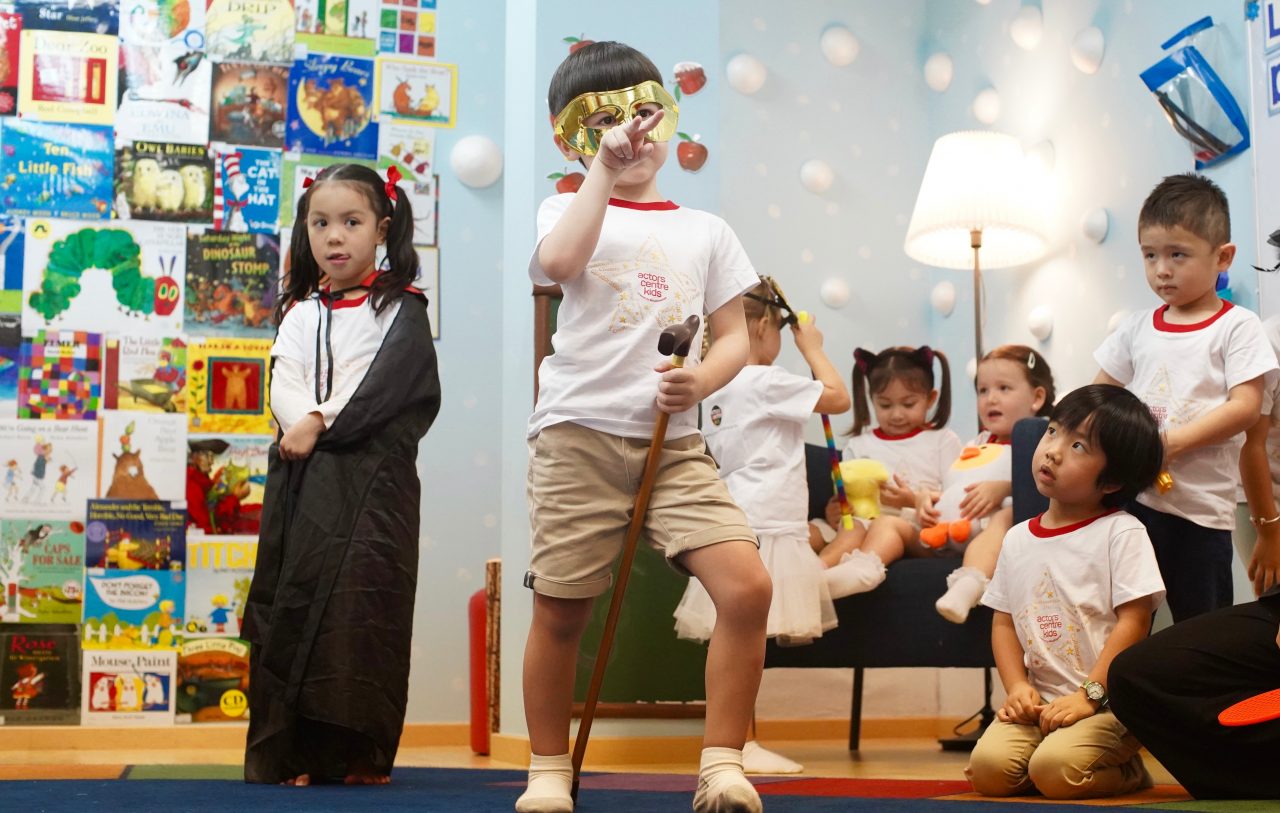
Many primary schools now include oral exams as part of their assessment process. Children must present projects, read aloud, and answer questions in front of teachers and classmates. This can feel scary for young learners who lack confidence in public speaking.
Parents often wonder how to help their children prepare for these speaking assessments. A speech and drama class for kids offers practical solutions that build essential skills whilst making learning enjoyable.
Building Confidence Through Performance
Children who attend drama lessons learn to stand in front of others without fear. They practise speaking clearly and projecting their voices so everyone can hear them. These classes create a safe space where mistakes become learning opportunities rather than sources of embarrassment.
Regular performance exercises help children become comfortable with attention. They learn that speaking in front of others is a skill anyone can develop with practice. This confidence transfers directly to school presentations and oral examinations.
Young performers discover their own voice through character work and improvisation. They experiment with different speaking styles and learn to express ideas with conviction. This self-assurance proves invaluable when facing formal assessments.
Developing Clear Communication Skills
Speech and drama classes teach children to articulate words properly. They work on pronunciation, pace, and tone to ensure their message comes across clearly. These technical skills matter enormously during oral exams where clarity affects marks.
Children learn to structure their thoughts before speaking. They practise organising information in logical sequences that listeners can follow easily. This skill helps them answer exam questions coherently without rambling or losing their train of thought.
Voice control becomes second nature through regular practice. Students discover how to use volume, pitch, and emphasis to highlight important points. These techniques make their oral presentations more engaging and easier to understand.
Understanding Body Language
Drama lessons teach children that communication involves more than words. They learn about posture, eye contact, and gestures that support their spoken message. Good body language makes speakers appear confident and credible.
Children become aware of nervous habits like fidgeting or looking at the floor. Teachers help them replace these behaviours with positive physical presence. Standing tall with open gestures creates a strong impression during assessments.
Physical awareness also helps children read their audience. They notice when listeners seem confused and can adjust their delivery accordingly. This adaptability serves them well in interactive oral examinations.
Managing Nerves and Stage Fright
A speech and drama class for kids addresses performance anxiety directly. Children learn breathing techniques that calm nerves before speaking. They discover that feeling nervous is normal and manageable.
Repeated exposure to performing reduces anxiety over time. What once felt terrifying becomes routine through regular practice. Children develop coping strategies they can use during school exams.
Teachers create supportive environments where children encourage each other. This peer support builds resilience and helps students push through uncomfortable moments. They learn that everyone struggles with nerves sometimes.
Improving Memory and Recall
Learning lines for performances strengthens memory skills. Children develop techniques for remembering information and recalling it under pressure. These abilities transfer directly to oral examinations where they must recall facts and examples.
Drama exercises often involve thinking quickly and responding spontaneously. This mental agility helps children handle unexpected questions during assessments. They become better at retrieving information when put on the spot.
Listening and Responding Skills
Interactive drama activities teach children to listen carefully to others. They must respond appropriately to scene partners and follow directions precisely. These listening skills prove essential during oral exams with question-and-answer components.
Children learn to process information quickly and formulate relevant responses. They practise thinking on their feet whilst remaining calm and focused. This responsiveness impresses examiners and demonstrates genuine understanding.
Creating Lifelong Skills
The benefits of speech and drama classes extend far beyond primary school exams. Children develop communication abilities they will use throughout their education and careers. Public speaking remains one of the most valued professional skills.
Parents who enrol their children in a speech and drama class for kids invest in their future success. These lessons provide practical tools that make oral assessments less stressful and more successful. The confidence gained through performance training stays with children as they grow.
Drama education transforms nervous speakers into confident communicators. It gives children the skills they need to express themselves clearly and effectively in any situation.

Comments are closed.