
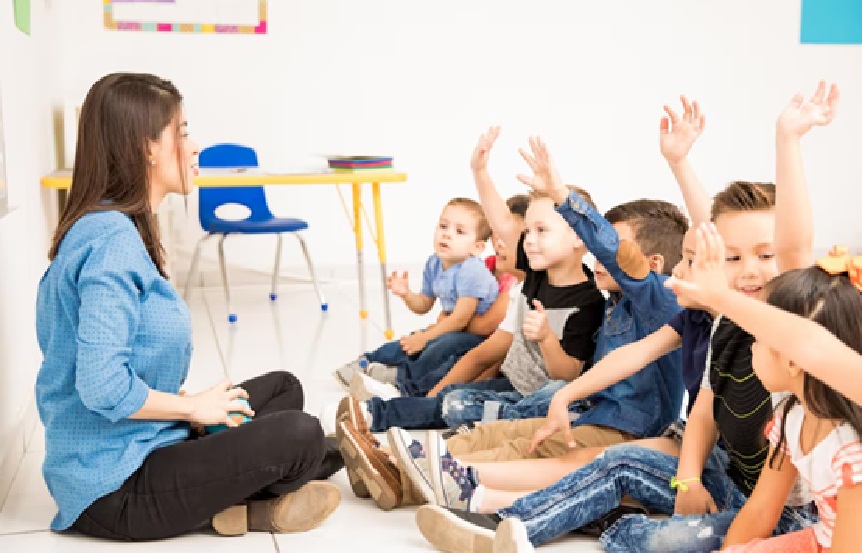
The decision to choose a preschool is one of the biggest decisions you will make as a mother or father. The right preschool will not only provide a nurturing and safe environment, but it will also lay the foundation for both your child’s social and educational development. It’s normal to feel overwhelmed by the many choices available. This guide will take you through the steps necessary to choose the best preschool for your kid.
1. Decide Your Priorities
Consider: What is most important to you and your kid? Consider:
- The preschool’s location is important. Is it close to your home or workplace?
- Schedule: Is the school part-time or full-time?
- Education Philosophy: Do you want a program that is play-based or Montessori-based?
- The ratio of class size to teacher: A smaller class size means more attention for your child.
- Ask about any additional fees and make sure the cost of tuition is within your budget.
Prioritizing your choices will allow you to narrow them down.
2. Make a list of the things you want to do and then research them
Begin by collecting information about the preschools in your locality. You can:
- You can also ask for suggestions from other parents, friends and family members.
- Find local preschools online and read reviews.
- You can also check local parenting groups or community bulletin boards.
List all schools that fit your criteria.
3. Visit the Schools
Schedule visits to preschools once you have compiled your list. You will gain a deeper understanding of the school by observing it first-hand. Pay attention to the following during your visit:
- Are the schools clean and maintained well? Are there safety measures?
- Classroom Environment: Is the classroom inviting, organized and equipped with age appropriate materials?
- Interaction between teacher and child: Watch how the teachers interact with children. Are they patient and attentive?
- Play Spaces: Make sure that the indoor and outdoor areas are well-maintained and safe.
4. Ask Questions
Prepare a list with questions you want to ask. Here are a few important ones:
- What is the educational philosophy of your school?
- What is your daily schedule?
- What are the qualifications and training of teachers?
- How does your school deal with discipline and conflict resolution in the classroom?
- What safety measures are there in place?
- How does the school communicate to parents?
- Do parents need to bring their own food or are meals and snacks provided?
Answering these questions clearly will help you to make an informed choice.
5. Consider the Curriculum
Different preschools have different approaches to the early childhood education. Here are some common ones:
- Play-Based learning: This type of education focuses on the development of creativity and social skills through play.
- Montessori: Promotes independence, hands on learning, and individual instruction.
- Academic-Focused programs: Prepares children to kindergarten through structured activities, early literacy and math skills.
- Reggio Emilia: Focuses on collaborative learning and exploration.
Select a curriculum that is aligned with your child’s needs and educational goals.
6. Assessing Teacher Qualifications
Teachers are crucial to your child’s experience in preschool. What to look for
- Early childhood education degrees or certifications.
- Experience working with young Children
- Warm and friendly demeanor.
- Continuous professional development and ongoing training.
Teachers who are qualified create an environment that is positive and stimulating for growth and learning.
7. Check out the school’s policies
Check the policies of the school to make sure they match your expectations. Consider the following policies:
- Attendance and drop off/pick up procedures.
- Health and illness protocols
- Behavior management strategies
- Parent involvement opportunities.
Understanding the policies of the school will help you decide if it is a good match for your family.
8. Observe Children
Take note, during your visit, of the way the children interact both with one another and the staff. Children who are happy and engaged can be a good indication of a positive atmosphere. What to look for
- Participation in active activities.
- Interactions that are friendly and respectful.
- Safety and comfort are important.
9. You should trust your instincts
Trusting your gut is just as important as doing research and observing. It’s a good sign if a school feels comfortable and your child is happy during the visit.
10. Consider Your Child’s Needs
Consider that every child is different, and you should consider their needs. Consider:
- Temperament: Does your child’s personality fit the environment of school?
- Are you ready to introduce your child to structured group activities and social interactions?
- Special Needs: Make sure the school is able to provide support for your child if they have specific needs.
11. Check references
You can also ask for testimonials from parents. Speak to current or former families for valuable insight into the preschool.
12. Take a decision
Take time to consider your options after you have completed your research and visited schools. Compare schools on your shortlist based on the feedback you have received, your observations and your priorities. Choose the preschool which best suits your child’s requirements and is in line with your family values.
13. Prepare for the transition
After choosing a preschool for your child, you can help them transition easily:
- Before the first day, visit the school with your child.
- Discuss what your child can expect and any concerns they may have.
- To ease the transition, establish a routine that is consistent.
It is important to choose the best preschool for your child. This involves research, observation and intuition. Understanding your child’s early learning needs, asking the correct questions and evaluating all your options will help you find a preschool which provides a nurturing environment.
This article was written by an expert at Baby Fox Academy of Florida. Baby Fox Academy, Vpk Sarasota is the premier early childhood education provider, combining structured learning and play. Baby Fox Academy is owned and operated by Laurie McCracken and Matt McCracken. Laurie has over 25 years experience in the early childhood field. Our play-based program supports each child’s development by balancing activities indoors and outdoors that develop fine motor skills, language, creativity and independence. Children develop important skills through engaging tools such as puzzles, drama play, and art. WatchMeGrow allows parents to check-in at any time via “Trail Cams”, giving them peace of mind as their children play, learn and grow. Baby Fox Academy is a nurturing learning environment that will inspire your child to love learning for life.