
Archive

November 2024

Browsing

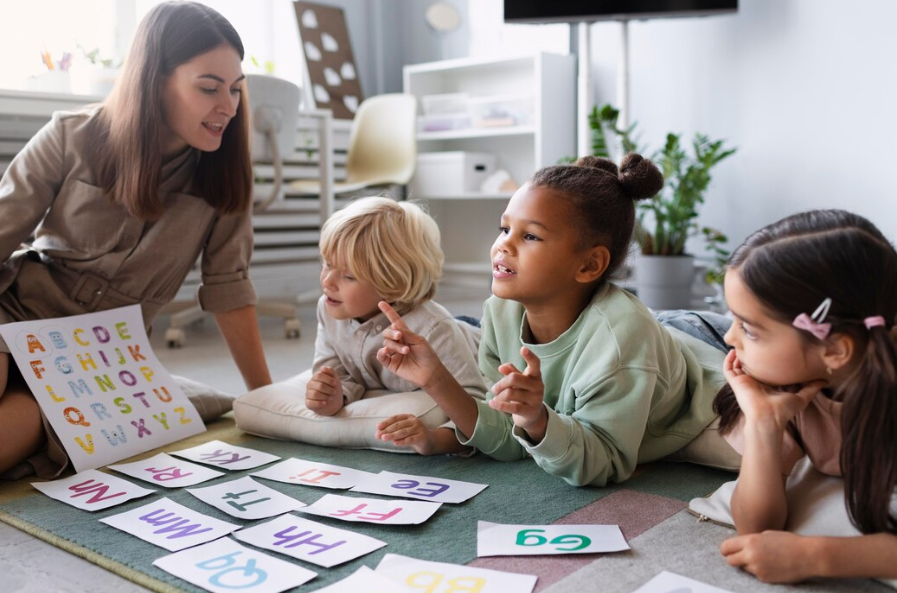
An early childhood learning center plays a pivotal role in shaping a child’s cognitive, social, and emotional development during their formative years. These centers provide structured environments where children can explore, learn, and grow under the guidance of trained professionals. By fostering curiosity and building foundational skills, early childhood learning centers set the stage for lifelong success.

In this article, we’ll explore the significance of early childhood learning centers, the benefits they offer, and what parents should consider when choosing the right center for their child.

What Is an Early Childhood Learning Center?

An early childhood learning center is a facility designed to support the growth and development of children from infancy to around five years old. These centers focus on nurturing various aspects of a child’s development through age-appropriate activities and structured learning experiences.

Early childhood education emphasizes holistic development, incorporating areas such as:

  • Cognitive skills
  • Emotional regulation
  • Social interaction
  • Physical coordination
  • Language and communication

Benefits of Early Childhood Learning Centers

Attending an early childhood learning center offers numerous advantages for young children and their families. Here are some key benefits:

1. Cognitive Development

Early learning centers provide children with stimulating environments where they can develop critical thinking, problem-solving, and decision-making skills. Activities like puzzles, storytelling, and hands-on experiments encourage curiosity and creativity.

2. Social Skills

Interacting with peers in a structured setting helps children develop social skills, such as sharing, cooperation, and conflict resolution. These experiences prepare them for future relationships in school and beyond.

3. Emotional Growth

By working with teachers and peers, children learn to identify and manage their emotions. Early exposure to group settings also builds self-confidence and resilience.

4. Language Development

Through activities like reading, singing, and conversation, children expand their vocabulary and improve communication skills. Early exposure to language-rich environments lays the foundation for literacy.

5. Preparation for Formal Education

Children who attend early childhood learning centers are often better prepared for kindergarten. They develop routines, learn to follow instructions, and adapt to structured schedules, easing the transition to primary school.

6. Fostering Independence

Early learning centers encourage children to explore and complete tasks on their own, building a sense of independence and self-reliance.

Key Features of an Effective Early Childhood Learning Center

Not all early childhood learning centers are created equal. When selecting a center for your child, consider the following features that contribute to a high-quality learning environment:

1. Qualified and Caring Staff

Teachers and caregivers should have proper training in early childhood education and demonstrate a genuine passion for working with young children. Look for centers where staff engage with children in a positive and nurturing manner.

2. Safe and Stimulating Environment

A well-designed center prioritizes safety while offering a variety of learning materials and spaces for exploration. Classrooms should be clean, organized, and equipped with age-appropriate toys, books, and tools.

3. Comprehensive Curriculum

An effective early childhood learning center offers a balanced curriculum that includes activities promoting cognitive, physical, social, and emotional development. The curriculum should be flexible enough to accommodate individual learning styles and needs.

4. Low Student-to-Teacher Ratio

Smaller class sizes allow teachers to provide more individualized attention, ensuring that each child’s unique needs are met.

5. Parent Involvement

Strong communication between the center and parents is essential. Look for programs that encourage parental involvement and provide regular updates on your child’s progress.

6. Play-Based Learning

Play is a critical component of early childhood education. Centers that incorporate play-based learning allow children to develop skills naturally while having fun.

What to Consider When Choosing an Early Childhood Learning Center

Selecting the right early childhood learning center is a significant decision that can impact your child’s development. Here are some factors to consider during your search:

1. Your Child’s Needs

  • Assess your child’s personality, interests, and learning style to find a center that aligns with their needs.
  • Consider whether they thrive in smaller or larger groups and whether they need additional support in specific areas.

2. Location and Accessibility

  • Choose a center that is conveniently located and fits your daily schedule.
  • Ensure that the center’s hours of operation align with your family’s needs.

3. Reputation and Reviews

  • Research reviews and testimonials from other parents to gain insights into the center’s quality.
  • Visit the center in person to observe how staff interact with children and assess the overall atmosphere.

4. Cost and Affordability

  • Determine your budget and explore centers that offer high-quality education within your financial means.
  • Inquire about available financial aid or payment plans, if needed.

5. Licensing and Accreditation

  • Verify that the center is licensed and adheres to local and state regulations.
  • Accreditation from recognized organizations indicates a commitment to high standards in early childhood education.

The Role of Parents in Early Learning

While early childhood learning centers provide structured education, parents play a vital role in supporting their child’s development. Here’s how you can complement the learning experience:

  1. Engage in Daily Conversations: Talk to your child about their day and encourage them to share their experiences and thoughts.
  2. Support Learning at Home: Reinforce skills learned at the center through activities like reading, puzzles, or creative play.
  3. Stay Involved: Participate in center events, parent-teacher meetings, and volunteer opportunities to stay connected to your child’s education.
  4. Create a Routine: Establish consistent routines for meals, sleep, and playtime to provide stability and structure.

An early childhood learning center is more than just a place for childcare—it’s a foundational step in a child’s educational journey. By fostering cognitive, social, and emotional development, these centers prepare children for future success both in school and in life.

When choosing a center, prioritize features like qualified staff, a safe environment, and a comprehensive curriculum that caters to your child’s unique needs. With the right early learning experience, your child can develop the confidence, skills, and curiosity to thrive in their formative years and beyond.

This article was written by an expert at Baby Fox Academy of Florida. Baby Fox Academy, preschool Sarasota FL, is your premier choice for high-quality early childhood education, blending structured learning with the magic of play. Baby Fox Academy is owned and operated by Laurie McCracken and Matt McCracken. Laurie has over 25 years of experience working in the early childhood field. Our play-based program supports each child’s development by balancing activities indoors and outdoors that develop fine motor skills, language, and creativity. Children develop important skills through engaging tools such as puzzles, drama play, and art. WatchMeGrow allows parents to check in at any time via “Trail Cams”, giving them peace of mind as their children play, learn and grow. Baby Fox Academy is a nurturing learning environment that will inspire your child to love learning for life.
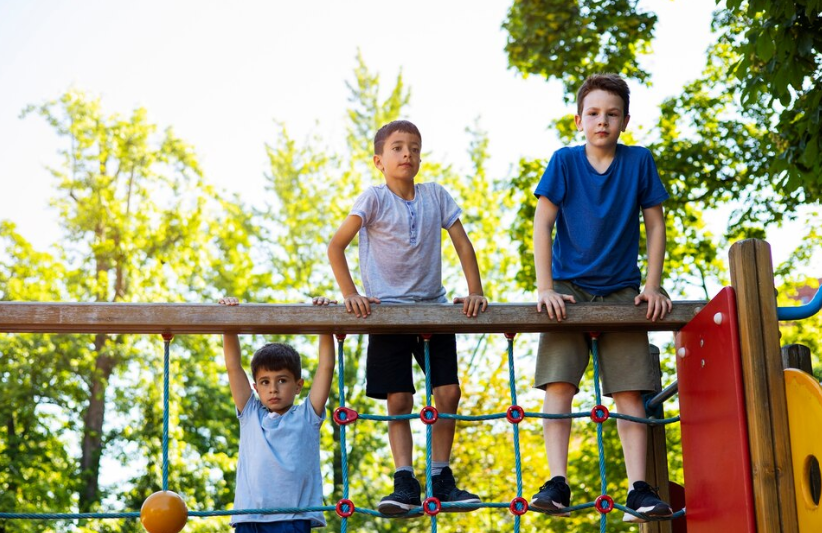
The early years of a child’s life are filled with significant growth, both physically and emotionally. One of the essential aspects of this development is socialization, especially during preschool years. Building friendships in preschool is more than just playtime—it’s an opportunity for young children to learn critical social skills that will shape their relationships, self-confidence, and emotional resilience as they grow. Understanding why early socialization matters can help parents and caregivers encourage their children to embrace friendships in preschool, setting a strong foundation for their future.

1. Developing Communication Skills

In preschool, children begin to explore communication in new and interactive ways. Through social interactions, they learn how to express their thoughts, feelings, and needs to others. This practice is crucial for developing both verbal and non-verbal communication skills, including listening, making eye contact, and understanding facial expressions.

By engaging with their peers, preschoolers learn to ask questions, share stories, and explain ideas—all skills that will serve them well in school and later in life. The opportunity to practice communication with other children in a safe and supportive environment helps them become more confident and effective communicators, which is fundamental to their overall development.

2. Building Emotional Intelligence and Empathy

Friendships in preschool introduce children to a variety of emotions, both their own and those of others. Through play and interaction, they begin to understand concepts like empathy, compassion, and patience. When a friend is upset, a preschooler may learn to comfort them, and when they have a disagreement, they learn how to manage their own emotions while recognizing those of their friend.

This development of emotional intelligence allows children to start understanding the impact of their actions on others, which is essential for building healthy relationships. Early socialization teaches children to be empathetic, understanding, and kind, qualities that will help them form deeper, more meaningful connections as they grow.

3. Learning Cooperation and Teamwork

Preschool friendships encourage children to work together and solve problems as a team. Cooperative play, such as building with blocks, engaging in make-believe scenarios, or participating in group activities, helps them learn how to share, take turns, and respect others’ opinions.

Learning to cooperate and work as a team lays the groundwork for future collaborative skills, which are crucial in both academic and social settings. As they learn to navigate differences, negotiate roles, and resolve conflicts, children gain confidence in their ability to interact with others positively. This skill set prepares them for group work in school and teaches them the value of collaboration.

4. Building Self-Confidence and Independence

Positive early socialization experiences help preschoolers develop a strong sense of self-confidence. When children form friendships, they feel valued and accepted by their peers, which reinforces their self-esteem. Being part of a group and contributing to shared activities allows children to see that they have a place in the social world, boosting their confidence to try new things and take on new challenges.

In addition, spending time with friends gives children a sense of independence. They learn to make decisions, share ideas, and solve problems on their own, which fosters a healthy level of autonomy. This independence is crucial as children prepare for school and other social settings where they’ll need to rely on their own skills and judgment.

5. Building Conflict Resolution Skills

Preschoolers encounter a variety of social dynamics, and disagreements are a natural part of this process. Whether it’s a disagreement over a toy or a difference in opinions during play, conflicts provide opportunities for young children to learn valuable problem-solving skills.

Through guided interactions, children learn to resolve conflicts in a constructive way. Preschool teachers and caregivers often model and encourage peaceful solutions, teaching children how to express their feelings calmly, listen to others’ perspectives, and find compromises. Developing these conflict-resolution skills early on helps children handle disputes more effectively as they grow and prepares them for healthy, respectful relationships.

6. Encouraging Diversity and Inclusion

Preschool often brings together children from different backgrounds, cultures, and family structures, offering a valuable lesson in diversity. Early socialization in a diverse setting allows children to learn about and respect differences. Friendships with children from varied backgrounds can help young children appreciate unique perspectives, fostering a more inclusive and open-minded outlook.

Being part of a diverse social group broadens a child’s understanding of the world and teaches them to accept and celebrate differences. These early experiences in diversity prepare them to thrive in a multicultural world and help them build inclusive relationships throughout their lives.

7. Promoting Language Development

Social interactions in preschool contribute significantly to language development. Engaging in conversation with peers requires children to articulate their thoughts clearly and respond to others, encouraging them to expand their vocabulary and improve sentence structure. As children navigate the back-and-forth of conversations, they learn how to express themselves more effectively.

Language skills acquired through early socialization are crucial for academic success and effective communication later in life. When children have friends to talk to, they naturally practice speaking and listening, both of which are essential for language development.

8. Fostering a Sense of Belonging and Security

Friendships in preschool give children a sense of belonging and security. Feeling part of a group where they are accepted and appreciated contributes to their overall happiness and emotional well-being. This sense of belonging is particularly important for young children as they step out of their family environment and into a new social world.

Having friends to interact with regularly helps children feel grounded, connected, and less anxious in new environments. Knowing that they have a circle of friends gives them the confidence to explore and engage in new activities, contributing to a positive preschool experience.

9. Laying the Foundation for Lifelong Social Skills

Finally, the social skills children gain from building friendships in preschool are foundational to their future relationships. Skills like empathy, patience, effective communication, and conflict resolution are integral to healthy relationships, both personal and professional. Early socialization equips children with the tools they need to navigate a world filled with diverse social interactions.

The friendships formed in preschool may be fleeting, but the lessons learned last a lifetime. These early experiences give children the practice they need to handle complex social situations as they grow, setting them up for success in school, friendships, and beyond.

Early socialization in preschool plays an essential role in shaping a child’s emotional, social, and cognitive development. Building friendships during these formative years equips children with critical life skills, from effective communication to empathy and teamwork. By encouraging children to embrace these early friendships, parents and educators can support a strong foundation for their future relationships, well-being, and personal growth. Understanding the importance of early socialization highlights the significant role that preschool friendships play in helping children thrive both in and outside the classroom.

This post was written by a professional at Baby Fox Academy of Florida. Baby Fox Academy is your premier choice for high-quality early learning center Sarasota, FL, blending structured learning with the magic of play. Owned and operated by Laurie and Matt McCracken, Baby Fox Academy benefits from Laurie’s 25+ years of experience in early childhood education. Our play-based curriculum supports every child’s growth, balancing indoor and outdoor play that build fine motor skills, creativity, language, and independence. With engaging tools like puzzles, dramatic play, and art, children develop essential skills while exploring their world. Parents can check in anytime via secure “Trail Cams” through WatchMeGrow, giving peace of mind while children learn, play, and grow. At Baby Fox Academy, your “baby fox” will thrive in a nurturing environment designed to inspire a lifelong love of learning.