
Key Takeaways
- Clear daily routines help young children settle in, stay engaged, and move through the day with confidence
- Balanced pacing across play, meals, and rest supports emotional comfort and steady energy levels
- Short group activities encourage participation without pressure or overstimulation
- Predictable closing routines help children transition smoothly from childcare back to home
Introduction
Morning drop-offs often bring a mix of curiosity and quiet concern from parents. Questions usually revolve around how children spend their hours, how routines hold together, and how care feels from a child’s point of view. Looking closely at the daily flow helps families understand what actually happens between arrival and pick-up. Early care settings rely on steady pacing, familiar routines, and clear transitions so children can settle, stay engaged, and move through the day without confusion. Structure offers reassurance, while flexibility leaves room for changing moods and energy.
How a Childcare Day Is Structured
Morning Arrival and Settling In
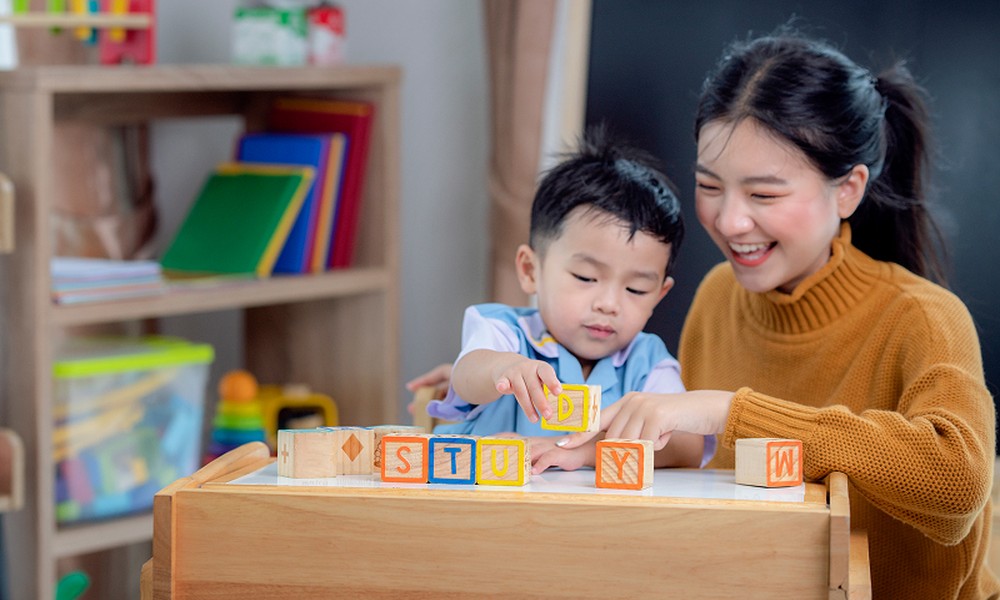
Arrival time unfolds gradually to help children adjust without pressure. Shoes come off, bags are placed in familiar spots, and quiet play begins straight away. Puzzles, blocks, and pretend play give children something familiar to focus on while classmates arrive. Teachers stay close, offering calm greetings and watching how each child settles.
Parents exploring childcare in Singapore often notice how much attention goes into this early part of the day. Unhurried arrivals give children space to separate, observe their surroundings, and feel secure before group activities begin.
Guided Activities and Group Time
Group activities start once the room feels settled. Songs, stories, and short movement sessions bring children together while keeping expectations simple. Activities stay brief, with clear beginnings and endings, so attention remains steady.
Play-based learning follows a predictable flow in programmes connected to an international preschool in Singapore. Art, sensory play, and role-based activities rotate through the week, giving children variety without overwhelming choice. Teachers offer guidance through prompts and modelling, helping children practise listening, waiting, and joining in while still allowing personal expression.
Midday Flow and Energy Management
Mealtimes and Social Interaction
Midday meals provide a change of pace and a chance to reconnect as a group. Sitting together encourages conversation, patience, and small moments of independence. Children practise feeding themselves, passing items, and tidying up once meals finish.
Meal routines form a steady anchor within childcare in Singapore. Familiar steps and a calm pace help children refuel without rushing, keeping energy levels stable for the rest of the day.
Rest and Quiet Periods
After an active morning, rest time helps children slow down. Mats or cots are set up, lights dim, and softer sounds signal a shift in pace. Some children sleep, while others rest quietly with books or simple activities.
Quiet periods in an international preschool in Singapore help children reset and maintain focus later in the day. Regular rest reduces irritability and supports smoother transitions into afternoon activities.
Afternoon Activities and Pick-Up
Physical Play and Creative Time
Afternoons usually begin with movement. Outdoor play or indoor activity sessions allow children to run, climb, and practise coordination in a safe setting. Creative activities follow, offering chances to draw, build, or make music while concentration improves.
Many schedules across childcare in Singapore pair physical play with quieter creative tasks. Shifting between active and calm periods helps children stay engaged without becoming overstimulated.
Closing Routines and Home Transitions
As pick-up approaches, the pace slows again. Storytime, songs, or quiet games signal that the day is drawing to a close. Belongings are packed, artwork goes into bags, and children prepare for the transition home.
Closing routines in an international preschool in Singapore focus on predictability and calm. Familiar endings help children shift from school routines to home life without carrying unnecessary stress.
Conclusion
A childcare day follows a clear rhythm built around arrival, activity, rest, and reconnection. Each stage supports emotional comfort while encouraging independence at a manageable pace. Understanding daily structure helps parents make informed choices about early care. Contact MapleBear Lavender today to find out how well-paced routines can fit your child’s everyday needs.

Comments are closed.